Sapa in Winter: Snow, Cold Weather, and What Families Should Know
If you’re planning in visiting Vietnam during the winter months, there’s a pretty good chance that you’re there as a way to escape the colder weather in the countries farther north. And, in most of Vietnam, that’s a pretty good choice! Spots like Phu Quoc and Ho Chi Minh City experiences some of their most welcoming weather in the the winter, and even spots further north, like Hanoi, provide a welcome respite from winter weather.
But, for travelers who are looking for some winter weather, Sapa is the place to be!
Sapa’s combination of high altitudes and northern latitudes mean it’s one of the only places in the country where winter actually feels like winter. Whether you’re looking for snow-covered temples, thick winter clouds, or just a spot to “chill” during your winter trip in Vietnam, Sapa can be an excellent choice.

Winter Weather in Sapa
Sapa’s winter season runs roughly from December through February, though weather is still pretty chilly even in the shoulder months of November and March. Daytime temperatures in Sapa town run between 10ºC and 15ºC (50º-60ºF). But at night and in the early morning, temps can drop to just above freezing, especially if you’re higher up.
There’s not much as much rain in the winter, compared to the summer months when it pours. However, there’s still plenty of humidity in the air! The mountains stay wrapped in mist and clouds, sometimes for the entire day. That mist is part of the appeal for a lot of visitors, but it makes for much lower visibility and relatively few clear days.
What should I wear to Sapa in the Winter?
Bring lots of layers. A warm jacket, gloves, and a hat are essential. And while it’s less likely to rain than in the summer, waterproof jackets are still genuinely helpful too. The mist often feels like a drizzle and you may find yourself feeling cold and wet if you aren’t properly layered.

A Quick Caveat: I don’t do a lot of cold weather travel, as I much prefer to stay warm, thank you very much. That said, here are my suggestions for cold weather gear to wear in Sapa for those who also prefer to stay warm.
Note: While you absolutely can buy inexpensive winter gear from local markets in Vietnam instead of packing your own, quality is often hit or miss. If you want to be sure of having high-quality gear for your winter trip, it’s worth bringing your own.
Does It Snow in Sapa?
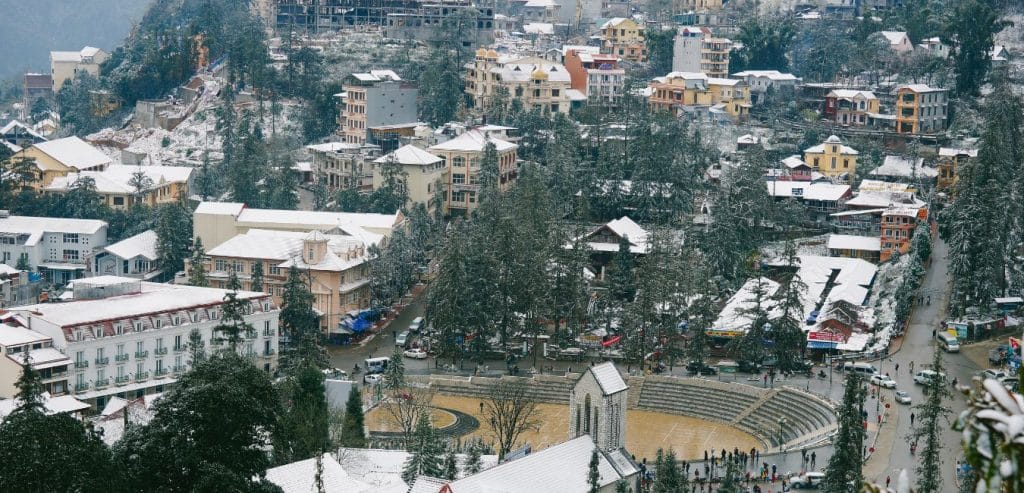
While snow in Vietnam is fairly rare, when it does happen, it mostly happens in Sapa!
Snow falls in Sapa most winters, typically between December and February, though it’s not guaranteed every year. When conditions line up, the terraced hillsides and rooftops of the ethnic minority villages can get a dusting that makes the valley feel magical. Even when it doesn’t snow, communities like Lao Chai, Ta Van, and Cat Cat can wake up to a thin layer of frost.
Heavy snowfall is much rarer and usually fairly brief. Don’t come expecting to see deep snow accumulation, but if you’re ok with a chance of snow, alongside cool mountain air and thinner crowds than in summer, winter can be a good time to visit Sapa.
Winter Temperatures in Sapa: Month by Month
|
Month |
Temperatures |
What to Expect |
|---|---|---|
|
November (shoulder month) |
8–18°C |
One of the best months to visit! Trails are dry after the summer rains, and the rice terraces are golden before harvest |
|
December |
5–15°C |
It’s noticeably colder, especially at night. Frost is possible. Snow is likely, at higher elevations. |
|
January |
0–12°C |
The coldest month. There’s a freeze risk at night. Snow is the most likely in Sapa town and on Fansipan. |
|
February |
3–14°C |
Still cold, but the chance of snow begins to fade through the month. |
|
March |
10-20ºC |
Sapa turns greener. Spring peach and plum blossoms begin to bloom. |
Fansipan in Winter: Clouds, Snow, and Summit Views
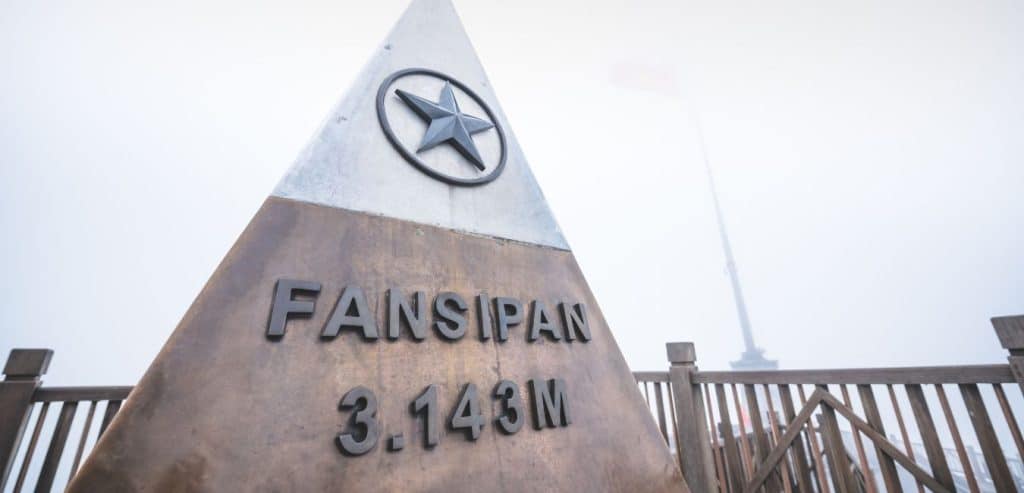
At 3,143 meters, Fansipan is the highest peak in Vietnam and across the broader Indochina region. It sits just outside Sapa town, and most visitors reach the summit via cable car.
Winter is one of the more interesting times to visit Fansipan, even if the conditions are unpredictable. On clear days, the views across the Hoang Lien Son range can be sharp and expansive. However, in the winter, it’s more likely that thick clouds will roll in to cover the landscape.
The clouds are an experience in and of themselves, though. At times, they can spread out below Fansipan’s peak, like a sea of clouds. Occasional breaks in the coverage reveals the valley far below. Other times, the clouds become a thick, atmospheric fog that gives Fansipan a bit of a mystical feel.
Snow typically covers Fansipan’s upper elevations during peak winter months. The summit area can sit at temperatures well below freezing, even when Sapa town itself is just cool. Be sure to dress significantly warmer than you would for a day in town!
Family-friendly Winter Activities in Sapa
The activities that work best in winter lean into the setting rather than fight it.
Village trekking to communities like Lao Chai, Ta Van, and Cat Cat is well-suited to winter. Trails are drier than they are in summer, and the cooler temperatures make walking more comfortable. To get the most out of a hike here, you absolutely need to hire a local guide. They’ll be able to add context to how village life works for the Hmong, Red Dao, and Tay communities in the area!
The Fansipan cable car is worth booking in advance, especially around the Lunar New Year period (late January through early February), when domestic tourism peaks sharply. The round trip takes a couple of hours including some time spent at the summit. Just remember that it will be much colder at the top than in Sapa town.
Sapa town itself is walkable and compact. The local market area is good for a morning of shopping, and the food scene in winter consist of hearty and warm foods. Vietnamese hot pot, freshly grilled corn, chestnuts, and Thang Co (a stew traditionally made with horse meat) are all available from street stalls. The Sapa Culture Museum is also a great choice, for when you need to warm up!
Where to Stay in Sapa in Winter
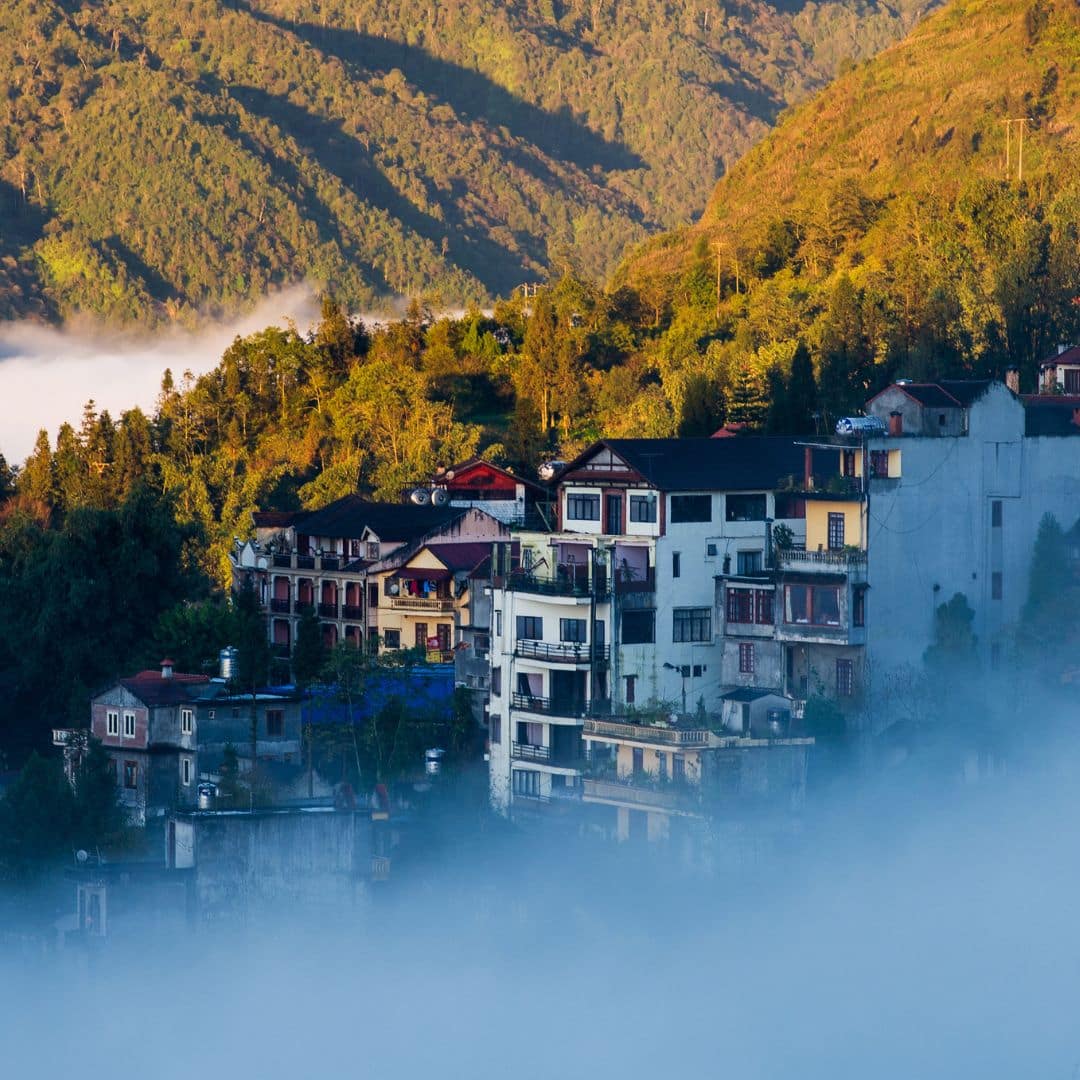
Sapa has hotels at most price points, from budget guesthouses in the town center to higher-end resorts with valley views. However, in the winter, reliable heating matters more than the booking sites usually make obvious. It’s worth it to pay a bit more and get a nice room when the alternative could be sleeping in a room that doesn’t hold in the heat. Check recent reviews specifically mentioning cold nights before you commit to a location.
The boutique properties along the hillside edge of town tend to offer better views and quieter settings than the center, which can feel congested. For families, an in-house restaurant is incredibly useful in the winter, when walking around town after dark, in the cold, with kids is, perhaps, not as fun as you would hope.
Personally, I like the look and feel of KK Sapa Hotel and Pistachio Hotel Sapa, which both offer nice rooms with a view, indoor pools, and easy access to town, for when you want to get out and explore!
Hotels in Sapa tend to be a bit pricier than in other parts of Vietnam, but even still, their still super affordable compared to many other parts of the world!
What is there to do in Sapa in the Winter?
Honestly, most of the best activities to do in Sapa are the same no matter what time of year you visit!
I’ve already written a good bit on activities you should check out in Sapa elsewhere, but here’s a quick rundown of the best.

- Visit Fansipan – the highest point in Vietnam! I mentioned earlier that it will definitely be cold on top of Fansipan, and that’s true, but don’t be afraid to check it out, even with kids in tow! The cable car ride is a lot of fun, and there are places to eat, shop, and get a warm drink on the top of the mountain.
- Take a hike through the indigenous villages – The rice paddies may be bare in the winter, but the views of the valley are still pretty great. Plus, the colder weather means the hike will feel a lot easier than it would in the heat of the summer.
- Explore Sapa Town – Sapa has a local market, a cultural museum, a night market, and a wide variety of really tasty restaurants to choose from. It’s not a particularly large city, but there’s still a good amount to see and do!
Getting to Sapa in the Winter
During the warmer months of the year, sleeper buses are a good, low-cost option for getting to Sapa easily. However, when the weather gets cold, the roads can sometimes get icy. That doesn’t stop the buses, but it does make them a little riskier than they would otherwise be.
Especially during the winter, I recommend taking the train from Hanoi instead of taking a bus. It’s more comfortable, safer, and, in my opinion, more fun.
If you’d like more details on travel options to Sapa, check out my article “How to Get to Sapa: Your Complete Travel Guide“.