Healthy Family Travel: Simple Tips to Stay Safe on the Go
Getting the chance to explore new places with your family can be incredible, but unfortunately, it only takes one sudden illness to derail your trip. Nobody wants to have to think about dealing with getting sick or hurt while traveling overseas, but it absolutely happens, even to the best-prepared of travelers.
Even so, just a little preparation goes a long way toward spending your vacation making memories instead of sitting in a clinic waiting room. Here’s what’s worked for us, from packing the right supplies to knowing where to turn if you do need help.

Build a Travel Health Kit That Fits Your Family
Sure, you can buy most things once you land, but there’s real value in having what you need within arm’s reach on day one, especially if you’re arriving late, or somewhere unfamiliar. Skip the generic drugstore kit and build one around your actual family.
At minimum, pack adhesive bandages in a few sizes, antiseptic wipes, sterile gauze, and medical tape. Bring pain and fever reducers for both kids and adults, and double check the dosing before you go, since kid formulas vary. Motion sickness tablets, an antihistamine, and hydrocortisone cream for bites and rashes round things out.
Children’s versions of medications are much harder to find outside the US! I highly recommend prioritizing children’s medications over adult versions!
Also bring some sunscreen, if you can fit it. We’ve found that sunscreen options overseas are often more limited and more expensive than what we find Stateside. That said, sunscreen will almost certainly be available wherever you go, so it’s not a top priority.
If you want a full checklist to work from, a travel medical essentials list is a solid starting point so nothing slips through the cracks.
You don't need to buy a specific first-aid kit for travel, but pre-made kits like this are a convenient size and already have a good chunk of what you want in your kit without needing to buy things piece-meal.
I would definitely add some Children's Tylenol, or your children's allergy medicine of choice, but otherwise, this is a pretty easy kit to recommend.

Handling Prescriptions While Traveling
If anyone in your family takes regular medication, this is the part of trip planning that deserves real attention. Depending on your needs, pharmacies overseas may not be able to dispense your regular medication without a local doctor’s prescription, or, in some cases, at all. Bring enough for the whole trip plus a bit extra for delays, flight cancellations, or an extended stay you didn’t plan on. Let your doctor know that you’re traveling, and they should be able to help you get enough meds to cover you during your trip.
Keep everything in its original, labeled container. It saves you an awkward conversation at security and gives you a paper trail if you ever do need a refill on the road. Also, carry a copy of your prescriptions and a letter from your doctor explaining your medical conditions and the medications you need.
For convenience, some travelers use online pharmacies to get their prescriptions filled and delivered before they leave. If you go this route, it’s vital to ensure the pharmacy you choose is reputable and secure. One way to assess this is by looking at how the platform handles transactions, since legitimate providers will invest in secure systems designed for healthcare purchases. A provider that uses a dedicated online pharmacy merchant account is better equipped to process payments safely and protect sensitive customer information.
Know Where to Turn Before You Need To
Even with good prep, sometimes you need help. If you’re planning on being in one spot for longer than a couple days, it’s worth looking into local doctors, clinics, and hospitals in the area before you need them, rather than mid-emergency. Read through Google Map reviews of a few different urgent care centers in the area, and find one consistently gets good reviews. Local expat forums (like on Reddit) can be good for this, too.
Save your embassy or consulate contact info, too. And don’t overlook your travel insurance provider. Most run a 24/7 line that can point you toward vetted medical facilities nearby, which matters more than you’d think when you’re standing in an unfamiliar pharmacy at 11pm. Keep that number both in your phone and on paper with your travel documents, since dead batteries have a way of happening at the worst possible moment.
In a pinch, hotel concierge desks can usually help direct you to trustworthy facilities nearby. It doesn’t even have to be your hotel! If they see that you’re in distress, people will most often want to help.
Preventing the Illnesses That Ruin Trips
Traveler’s diarrhea and respiratory bugs cause most of the sick days we hear about from other traveling families, and both are largely preventable. Frequent hand washing beats almost everything else on this list. When soap and water aren’t around, an alcohol-based sanitizer with at least 60% alcohol does the job.
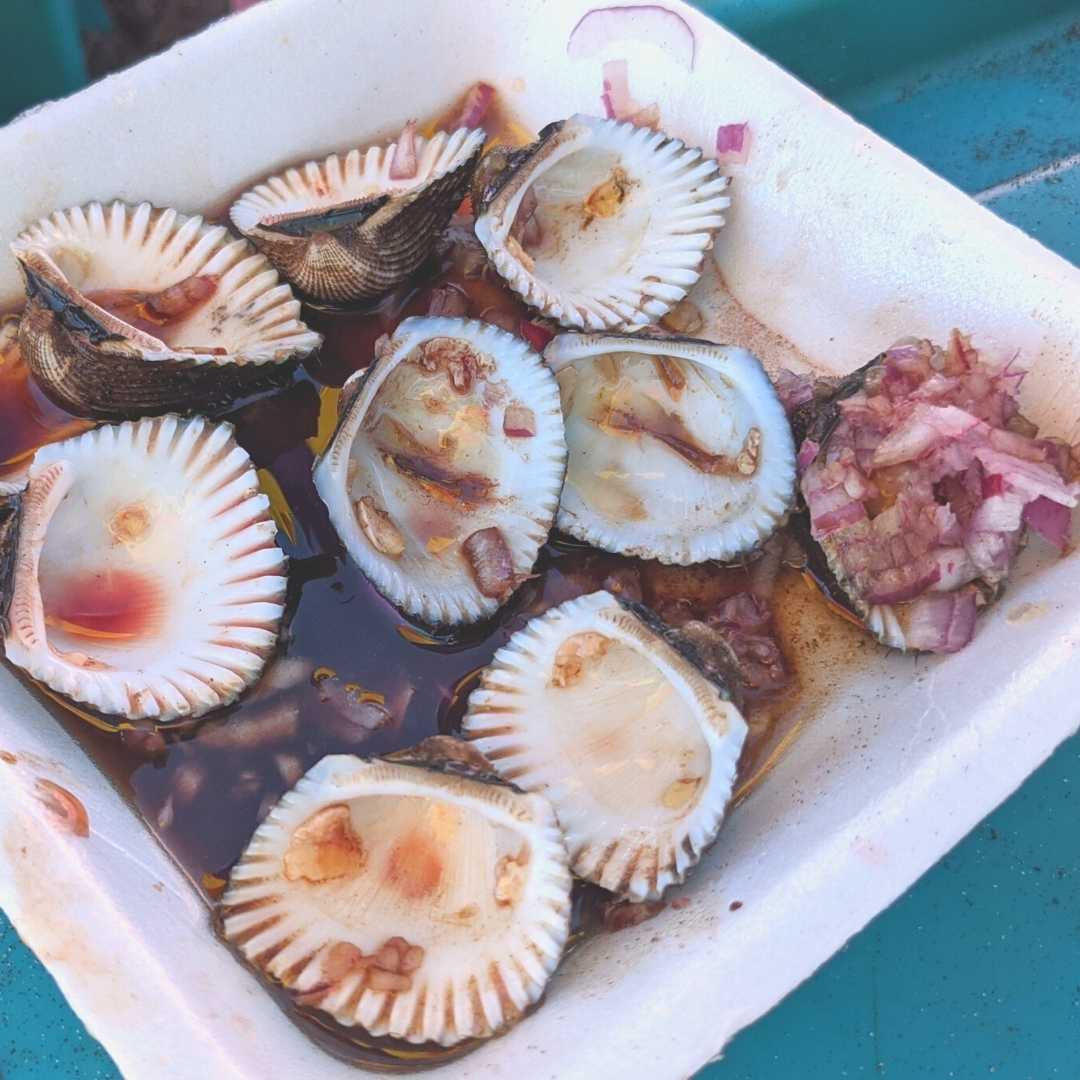
Pay attention to food and water, particularly anywhere water quality is uncertain. Stick to bottled water or fresh juice, and choose places to eat food that are busy. Busy places don’t have food sitting out for long, so you can be more sure that your food’s cooked all the way through and served hot. Raw fruits and vegetables are fine if you can peel them yourself; otherwise, be cautious.
Don’t assume that familiar fast food chains are the safer option! A local street-food shop with lots of customers will often have fresher, better-tasting food, at cheaper prices, and can be safer because the food doesn’t end up sitting at prep stations waiting for customers!
None of this is complicated, but it can definitely be the difference between a trip everyone remembers fondly and one spent near a bathroom.
Avoid exploring during the heat of the day
Sunburn and heat exhaustion take down more family trips than people expect, especially somewhere hot and humid. Kids don’t always tell you they’re overheated until they’re already past the point of just needing shade and water. Pack a real sunscreen, reapply it more often than feels necessary, and don’t skip hats and sunglasses just because you’re “only going to be out for a bit.”
If you’re swimming in the tropics, it can be worth it to get your kids (and you) a rash-guard to swim in. They’re a huge help in preventing sunburn, especially if they have UV protection built-in. They also help prevent abrasions from sand, or chafing from life-jackets while snorkeling!
Even beyond just the sunburn risk, pushing through the hottest hours of the day ends up wearing everyone out. If you spend your family’s energy trudging around in peak heat, you won’t have much left for the cooler parts of the day, which are usually more pleasant for exploring anyway.

Plan the big walking or outdoor activities for either the morning or early evening, and treat midday as downtime. This not only helps you avoid the heat, but also helps break up your activities, which is super helpful with kids.
Taking things slower during the heat of the day means everyone will have more left in the tank when the temperature drops in the evening.
Hydration and Rest Matter More Than You Think
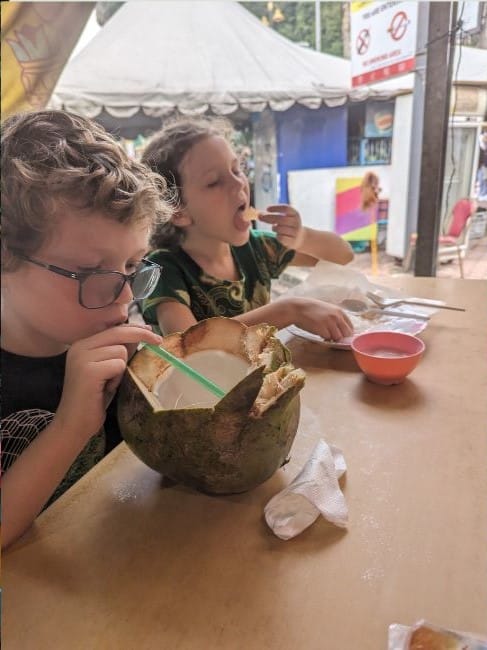
Flying dries everyone out, kids included. Keep drinking water throughout the day, and pack reusable bottles you can refill once you’ve got access to safe water. If your kids resist drinking plain water, look for drinks marketed as being for rehydration, like Revive or Pocari Sweat. And if you need to get hydrated fast, nothing beats fresh coconut water straight out of the coconut! If you’re anywhere tropical, there will almost certainly be some around.
Jet lag and an overstuffed itinerary are a fast track to a run-down immune system. Ease into the new time zone instead of hitting the ground sprinting, and don’t over-schedule the first day or two. Sleep does more for your family’s health on the road than almost anything in that first-aid kit. That’s part of the reason our family prefers slow-travel over shorter trips. It gives us the time we need to fully explore places without pushing our bodies to exhaustion!
Travel Medical Insurance Makes sure you’re covered for the big things
Everything mentioned above can help you avoid the small stuff, but no matter how well you prepare, there’s always the risk of something bigger happening. Domestic health insurance almost never covers you once you leave the country, which means an unexpected hospital stay or medical evacuation can turn into a massive out-of-pocket expense.
That’s why it’s a good ideas to get travel medical insurance, like SafetyWing Essentials, even if you’re only planning a short trip.
If you want the full breakdown of what it covers, what it doesn’t, and how we decided between their plans, I wrote up our experience with SafetyWing after over a decade of slow travel. The short version? Travel medical insurance isn’t the exciting part of trip planning, but it is a key part in keeping one bad day from turning into a financial disaster on top of everything else.

Also Read…
SafetyWing Review (2026) – Is SafetyWing the best travel and medical insurance option for slow-travel families?
Family travel is supposed to be about making incredible memories with your kids. Not about managing a health scare in an unfamiliar place. Fortunately, spending some time planning upfront will help make sure you spend your trip doing exactly that.