Exploring the Cham Islands with Kids: A Family Adventure off the Coast of Hoi An
There’s something special about catching the first glimpse of the Cham Islands from the boat. The turquoise waters start to deepen, the shoreline of the mainland shrinks behind you, and eight little green islands rise out of the water before you in greeting. They’re close enough for a day trip, but far enough away from the city to feel like you’ve stepped into another world.
These green islands are the Cham Islands (Cù Lao Chàm), a UNESCO Biosphere Reserve a little less than 10 miles ( 15km) off the coast of central Vietnam. They’re small, quiet, and still mostly untouched by the growth of large-scale tourism. And, if you’re willing to take the journey, they’re one of the best spots in the Da Nang region for diving and snorkeling in all of Vietnam!

What Exactly are the Cham Islands?
Located just off Vietnam’s central coast, the Cham Islands are part of the Da Nang City administrative unit (formerly the Quang Nam Province). They have been inhabited for over a thousand years, and were once an important stop on the spice trade route of the ancient Champa civilization. Remains from their civilization include various archeological artifacts, such as shards of pottery, stones from ruined structures, and an ancient Champa well that is still in use today. However, the real draw to the Cham Islands is not culture or history, but bio-diversity and natural beauty!
The Cham Islands are known for their vibrant coral reefs, clear waters, and a commitment to protecting marine life that has earned them a spot as one of UNESCO’s Biosphere Reserves. Those conservation efforts, and the way the island shelters its reefs from eastern currents, make for some of the best snorkeling an diving in all of Vietnam!
What to Do on the Cham Islands (Especially with Kids)
The best part of bringing kids to the Cham Islands is that you don’t need a packed itinerary. There are only a couple must-do options for your trip, but the majority of your time can be spent enjoying the slower pace of life on the islands and taking things as they come.
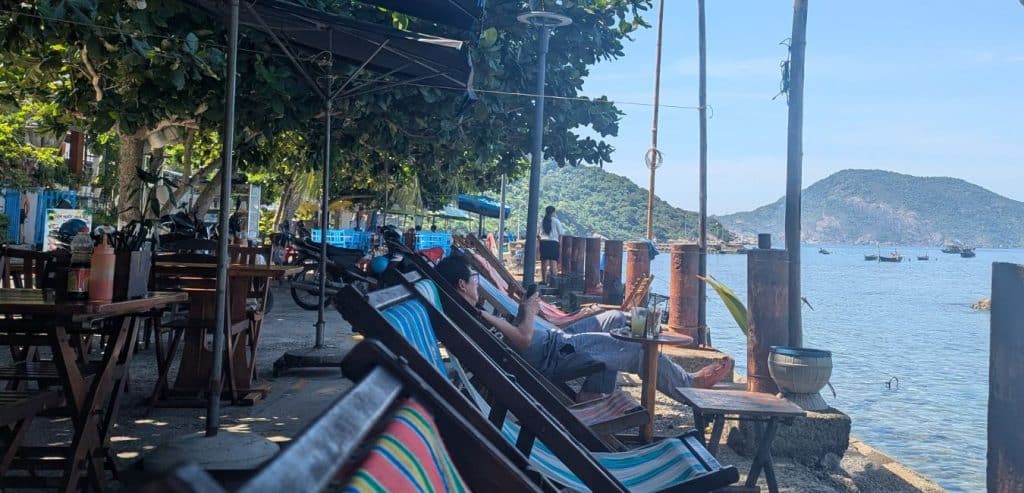
That said, here are the main attractions:
The Cham Islands have the best Snorkeling and Diving in the Region
You can rent masks and fins right on the beach or book a complete snorkeling tour that includes kid-friendly reef spots. The water is shallow and clear, with coral gardens full of clownfish, sea urchins, and starfish.
Bai Xep, or ‘Coral Beach’, is one of the best spots for families looking to dive in on their own, thanks to its abundance of coral just off the shore and several easy entry points. However, it can be worth it to hire a boat out to some of the deeper water spots around the smaller islands.
If you plan on spending more than a day or two on the island, you could definitely do some exploring on your own to find the best spots. However, I would personally suggest asking your homestay host to arrange a boat with one of the locals to take you out. Having someone who knows the area well will give you the best chance of finding an incredible spot!
We asked our homestay hosts for help and ended up paying a local fisherman about $8 each to bring us out to a snorkeling spot in his boat, which included snorkel and mask rental, as well. The boat ride was hot and in full sun, but once we arrived at the reef, the water was great, and we had a fun time.
It’s also worth mentioning here that, if you’re short on time and don’t want to stay on the island overnight, it’s also possible to take a snorkeling or diving day trip from Hoi An, instead.
Note: Despite being a protected area, the water right off the main island did have trash in the water. However, I didn’t see any trash at all around the smaller islands on our chartered SCUBA dive.
If you're planning on taking a day trip to the islands instead of spending the night, I would encourage you to look into a SCUBA trip instead of a snorkeling trip.
Yes, it's more expensive, BUT diving provides a much closer look at the sea life in the area and avoids the more crowded areas filled with snorkelers.
If you're family has the ability, this is the way to go for a day trip!

How is the Snorkeling in the Cham Islands?
As much as I love Vietnam for their culture, and food, and affordability, they aren’t particularly well known as a snorkeling and diving location. In large part, that’s because of their proximity to the South China and East Vietnam Seas, which batter the Vietnamese coastline with westward currents.
The waves are strong and the visibility low all up and down the mainland coast. The exception to this rule are the occasional islands, like the Cham Islands, which provide a natural break against those currents that gives shelter to the corals and fish that call them home.
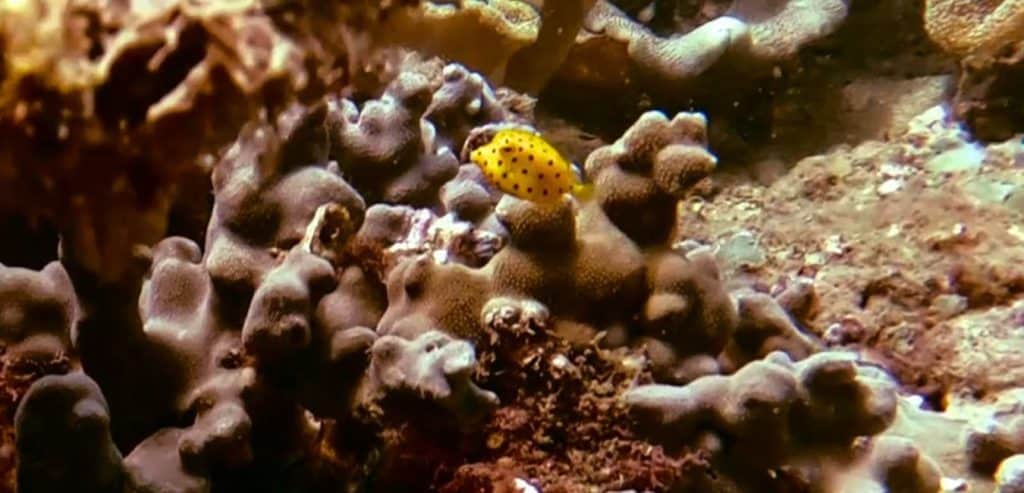
Are these the best reefs in the world for snorkelers? Still no. But, if you’re in Vietnam and are missing being in the water, they’re plenty good enough for a fun dive!
Also Read…
Diving Trip with Tigerfish Diving: Why you should absolutely add SCUBA to your Hoi An itinerary
Enjoy Some Cham Islands Beach Time
While there are plenty of beaches to check out on the mainland, the beaches on the Cham Islands have a couple major benefits that can make them worth adding to your itinerary.
Firstly, they are significantly less crowded than popular options like My Khe beach in Da Nang or An Bang beach in Hoi An. Fewer people means a quieter experience overall, which can be great! And, since the main beaches in the islands face west instead of east, they also have the benefit of being sheltered from the stronger waves of the East Vietnam Sea. that translates into calmer waters, perfect for a bit of swimming!
Bãi Chồng and Bãi Xep beaches are both great choices for sandcastles, swimming, and relaxing on the sand, but they definitely have different vibes.
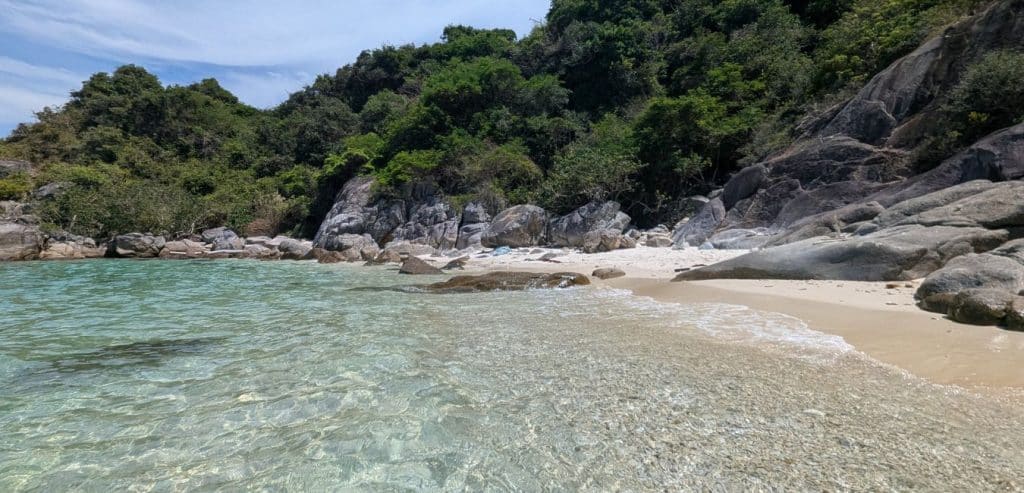
Chong Beach has a small beach bar with tasty food and drinks, beach umbrellas, hammocks, and access to amenities like bathrooms and showers. It’s a paid access beach, but the fee is small and definitely worth it. This is where our dive trip brought us for lunch after our dive, and we ended up hanging out and enjoying it for an hour or two after lunch. I highly recommend it!
Xep, in contrast, lacks any amenities, but it’s easy walking distance from town and feels natural. It does tend to get a bit crowded, though, especially in the evenings when the temperature drops. It’s a great spot for watching the sunset!

We also had a small beach located near our homestay in Bai Huong which was fine for taking a short walk or swim, but was primarily a spot where the local fishermen brough their boats ashore. The sand was a bit coarse, and it wasn’t as clean as Chong or Xep, but I rarely saw it empty anyways.
Visit the Cham Museum
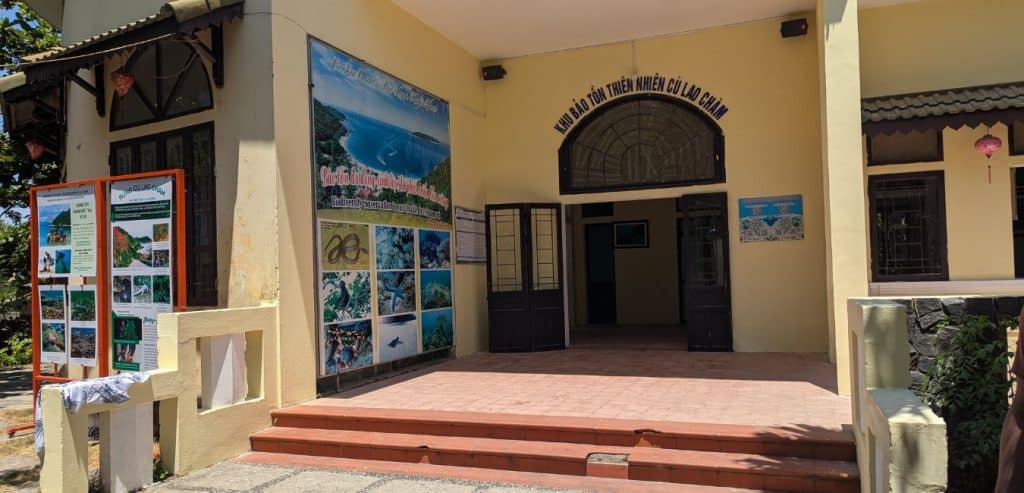
Not to be confused with the Museum of Cham Sculpture in Da Nang, this Cham Museum is a (very) small museum focused on the bio-diversity of the islands and the conservation efforts in place to preserve it. There are a couple exhibits, including preserved examples of local sea life, displays on the detrimental effects of plastics on coral reefs, and information on the biosphere reserve.
I’ve heard that there’s an entry fee to get in, but we didn’t see anyone collecting money on our visit.
Get a Glimpse of Village Life
One of the benefits to staying overnight on the island is getting the chance to walk around and explore the local villages.
There are no cars allowed on the island, but the villages here are significantly smaller than Hoi An or Da Nang. There are motorbikes for rent, but we chose to do most of our exploring on foot. Taking an hour or two to explore really gives you a glimpse into how things look in smaller fishing villages compared to the faster pace of life found in the cities.
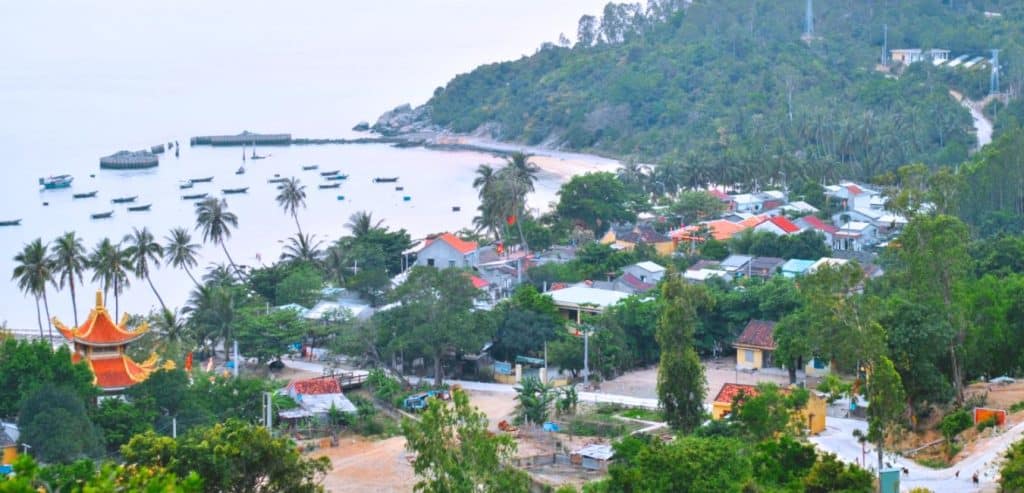
We loved the slower pace of life on the island!
Try the Local Seafood
Speaking of being in a fishing village, it’s worth noting that almost every restaurant on the island will feature a variety of local fresh seafood options! Whether it’s baked fish, grilled squid, or a more unique dish like sea urchin, there are plenty of tasty local dishes to try.
Vietnamese people love their fresh seafood, and after sampling a few dishes, it was easy to see why. Personally, I loved the squid and oyster options at our homestay, but our kids preferred the fish.

Other Mini-Adventures on the Cham Islands
While one of my personal favorite parts of island life is taking it easy on the beach, our kids often end up needing a bit more than a spot of shade and a great view of the sea. But while there’s not as much to do on the island as there is in the nearby cities, there are a few fun options for families looking to fill their day.
Here are some highlights!
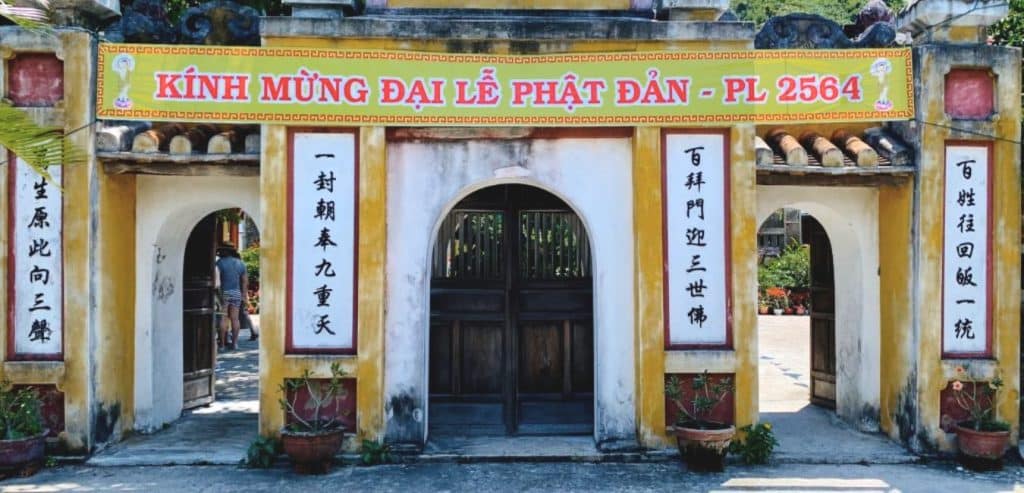
- Visit the Hai Tang Pagoda – One of the only temples on the island, Hai Tang Pagoda was built in 1758 and features a beautiful three-entrance gate, a bronze cast bell, and overlooks the island’s only rice paddy.
- Look at the Cù Lao Chàm Light House – This is the Cham Islands’ lighthouse, located on the eastern side of the island. I’ve seen a couple of websites that claim that it’s possible to reach the lighthouse by land, but the roads don’t reach all the way there and I don’t suggest trying it with kids. Instead, consider hiring a boat to take you around the island if you want to see it!
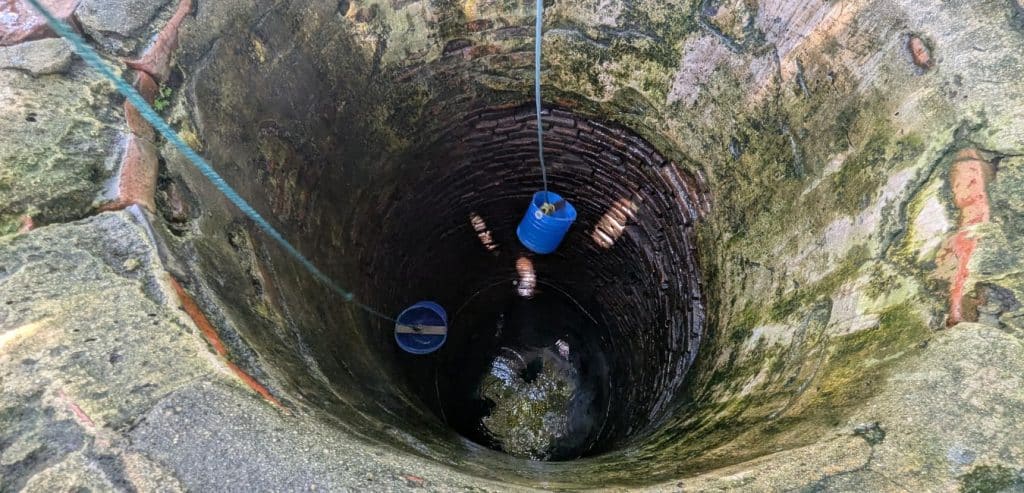
- Drink from the Xom Cam Well – This is a local well on the island dating back to the time of the Champa people. It’s an important archeological relic from that time, but it’s also still an important source of freshwater on the island. Locals believe that drinking from the well brings good luck!
- Eo Gio Scenic Overlook – located about a mile from Bai Lang along the coastal road, Eo Gio is a lovely scenic overlook that is particularly enjoyable at sunset. Just be sure to pre-arrange a ride back into town so you don’t have to walk in the dark!
How Long do you need on the Cham Islands?
You can do the Cham Islands as a single day trip, and many families do! You can snorkel, eat lunch, and be back in Hoi An in time for lanterns and dinner.
But staying overnight gives you something the day-trippers miss: quiet. Once the last boat leaves, the beaches empty, the stars come out, and you can hear the hum of the ocean against the rocks. It’s simple, peaceful, and unforgettable. There’s no nightlife, no convenience stores, but that’s kind of the point. It’s a stark contrast to the hectic activity you can find in Da Nang!
If your family loves adventure, try spending at least one night on the islands. (Our family did two.) There are several good options for homestays in Bãi Làng or Bãi Hương villages. Expect very basic rooms with limited space, mosquito nets, and super friendly hosts. The island community is small, but welcoming, and kids can often end up playing soccer or chasing crabs with local children before dinner.
This is the property that I would recommend for families looking to keep their trip as simple (and fun!) as possible.
Not only do they have family rooms available (a semi-rarity in South East Asia), but they have a restaurant on site and are one of the stays that I know for sure can get you set up with a speedboat to the island. (Reach out to them.)
They're an all-in-one package of convenience for your trip out!
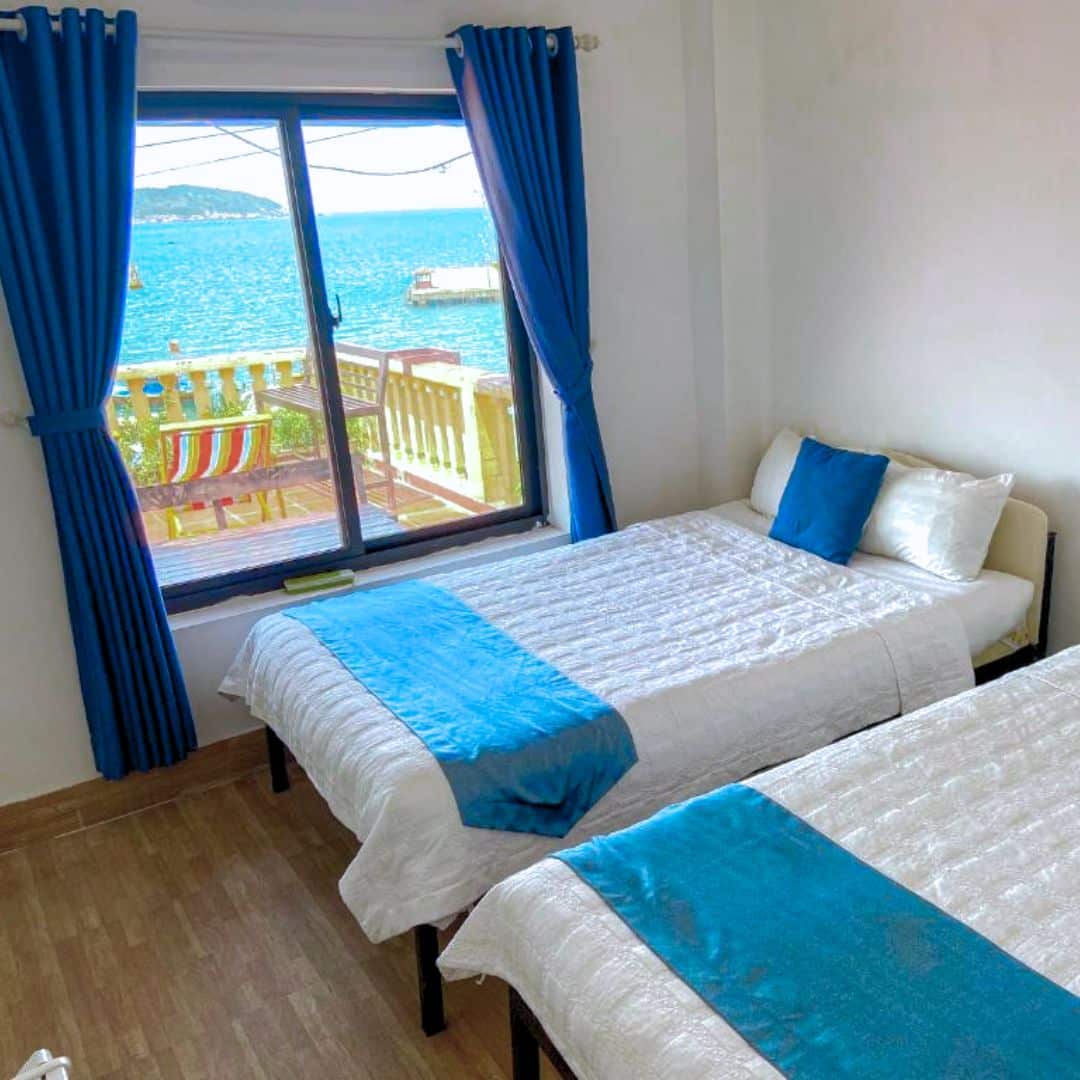
We chose to stay in the smaller village on the island, Bai Huong. That meant needing to use motorbikes to get from the docks to our stay, and there were fewer food options available in the evening, but, honestly, it was a great fit for us.
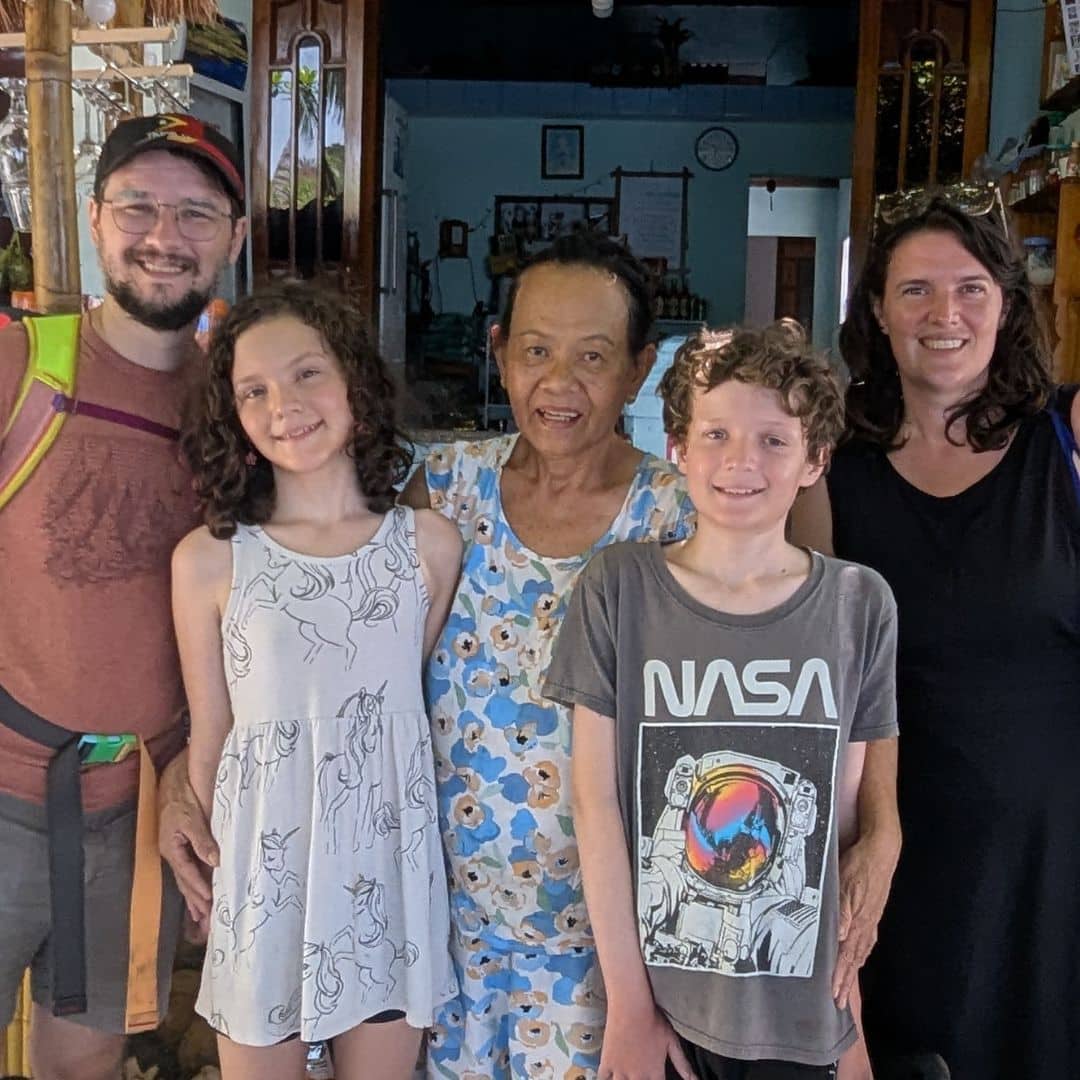
Our host family was super friendly, and really worked to help us feel at ease, and it was one of the most relaxed-feeling spots we've stayed at in a long while.
Not what you’re looking for?
Find your perfect stay on the Cham Islands using the map below:
How to get to the Cham Islands
Most families catch a boat from Cửa Đại Port, located outside Hoi An. You can choose between the local ferry (slower wooden boat that’s full of character) or a speedboat that zips you over in about 30 minutes. The speedboats are more common for day trips, and are a bit of an adventure themselves, with the bumpy waves.
Take the Local Ferry (Usually Cheaper, but less convenient)
Cost: 400kVND/person (roughly $15)
Departure: 8:00am, daily from Cua Dai Pier
Duration: Trip takes around 2 hours, one way.
Cash or card? Tickets are only purchasable with cash, the morning of your trip.
When I first wrote this article, the posted price for the ferry was significantly cheaper, making the public ferry a decent choice if you wanted to travel on a budget. Since then, the price has gone up to be almost equal with speedboat prices, making the slower trip a lot less desirable.
The big reason you might opt for the ferry over the speedboat is if you already have a motor bike or bicycle that you really want to bring with you, since the ferry will let you pay a bit extra for that service. But, honestly, it’s simpler to rent a bike on the island or just hire someone to take you on their bike. I personally don’t think you’d save enough this way to be worth it.
Hire a Speedboat (Faster and more convenient, for a price)
Cost: 450kVND (roughly $17/person)
Departure: Times vary. Most depart from Cua Dai Pier.
Duration: Trip takes 20-30 minutes, one way.
Cash or card? If you book in-person, expect to pay with cash or with a QR code. However, if you book online, you may be able to pay with card, depending on the company.
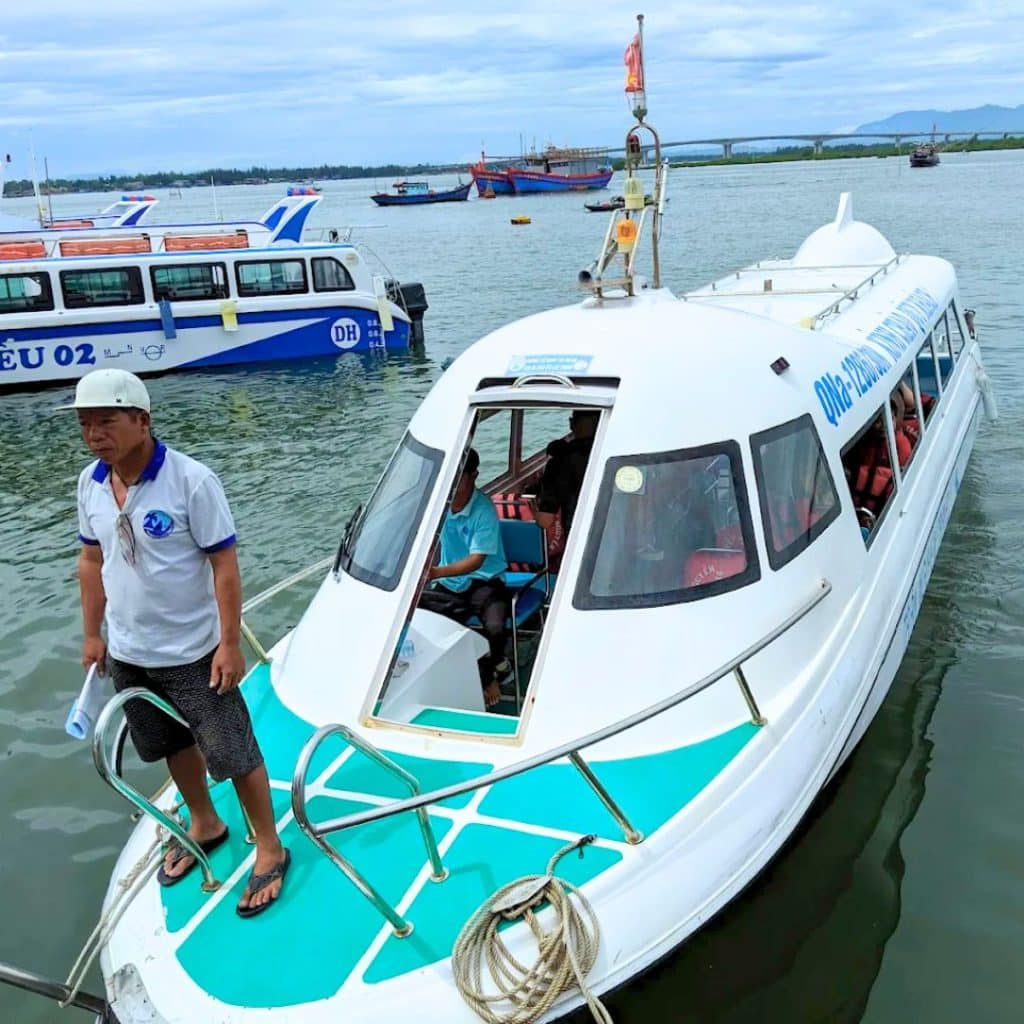
Almost all of the speedboat operators I found online were advertising group snorkeling trips, not ferry services. While this can be ok, many of the snorkeling tours operate out of basically the same locations at basically the same time of day, meaning things will get crowded.
I recommend finding a boat without a tour attached and then finding a local guide through your homestay or hotel for any snorkeling you’d like to do. Or, if you really prefer to just do a day trip, I’d suggest booking a snorkeling trip through one of Hoi An’s dive shops, like Tiger Fish Diving. They’re a bit pricier than the options you’ll find on Viator or Get Your Guide, but the experience will also be much better.
If you’re having trouble finding a boat, it’s worth reaching out to your homestay to see if they know a boat driver that can bring you to the island. Our homestay put us in touch with a speedboat operator, told us the price up front, and came to pick us up at the dock to help us get to the homestay. It made the whole process easy, and everything just worked.
If you’re traveling with little ones, pack hats, plenty of sunscreen, and maybe a dry bag or two. The sea can be bumpy, and it is possible that you get splashed. Seasickness bands, ginger chews, or possibly even Dramamine can be a good idea for anyone with a sensitive stomach, though medication should be a last resort since it may cause drowsiness. (You don’t want that.)
We’ve been lucky on our trips, and the sea has always been relatively calm, but it’s worth being prepared!
What is the best time to visit the Cham Islands?
The best time to visit is March through August, when the sea is calm and the sea is at its most colorful. We went in mid-June and the conditions were just about perfect!
During the rainy season (September to February), rough seas often mean the islands may close to tourists entirely.

Practical Tips for Families
- Bring enough cash. There are NO ATMs on the islands.
- I’d bring 1.5 million VND per person per day + transportation + hotel money. Is it more than you’ll need? Probably. But that’s way better than running out!
- Paying for things using QR Code based bank transfers is incredibly common in South East Asia, including in Vietnam. I have a local account that I use, but for shorter term visitors, I recommend getting an account with Moreta Pay. It’s an app that let’s you pay with QR codes, like the locals do. And it can be funded using a bank transfer or using credit cards, so you won’t have to worry about accidentally running out of cash. This isn’t an affiliate or sponsored link (yet). Just a genuinely helpful app for traveling in South East Asia.
- Plastic bags are not permitted. This is part of an initiative to keep the islands clean and clear of plastic waste. I suggest bringing a mesh bag with you to put any trash in while you’re out and about! That said, our bags were not checked for plastic during our visit.
- Pack snacks (especially if you have picky eaters), wet wipes, and lots of reef-safe sunscreen. It’s possible to get it on the island, but cheaper to bring your own.
Expect limited electricity (usually evenings only). I travel with these rechargeable lights for power outages.- While I’ve heard that electricity is limited on the island, that was not our experience. We had air conditioning the whole night!
- Life jackets are provided on most tours, but check that they fit your kids before departure.
- Bring snorkel masks for younger kids if you have them. Rental sizes can be hit or miss.

Final Thoughts: Why the Cham Islands are Worth the Trip
The Cham Islands aren’t a polished resort experience, but that’s part of their magic. They remind you what travel used to feel like: simple, unhurried, full of small discoveries. For families, it’s a chance to slow down, to let kids lead with curiosity instead of schedules, and to remember that you don’t always need Wi-Fi to teach something valuable.