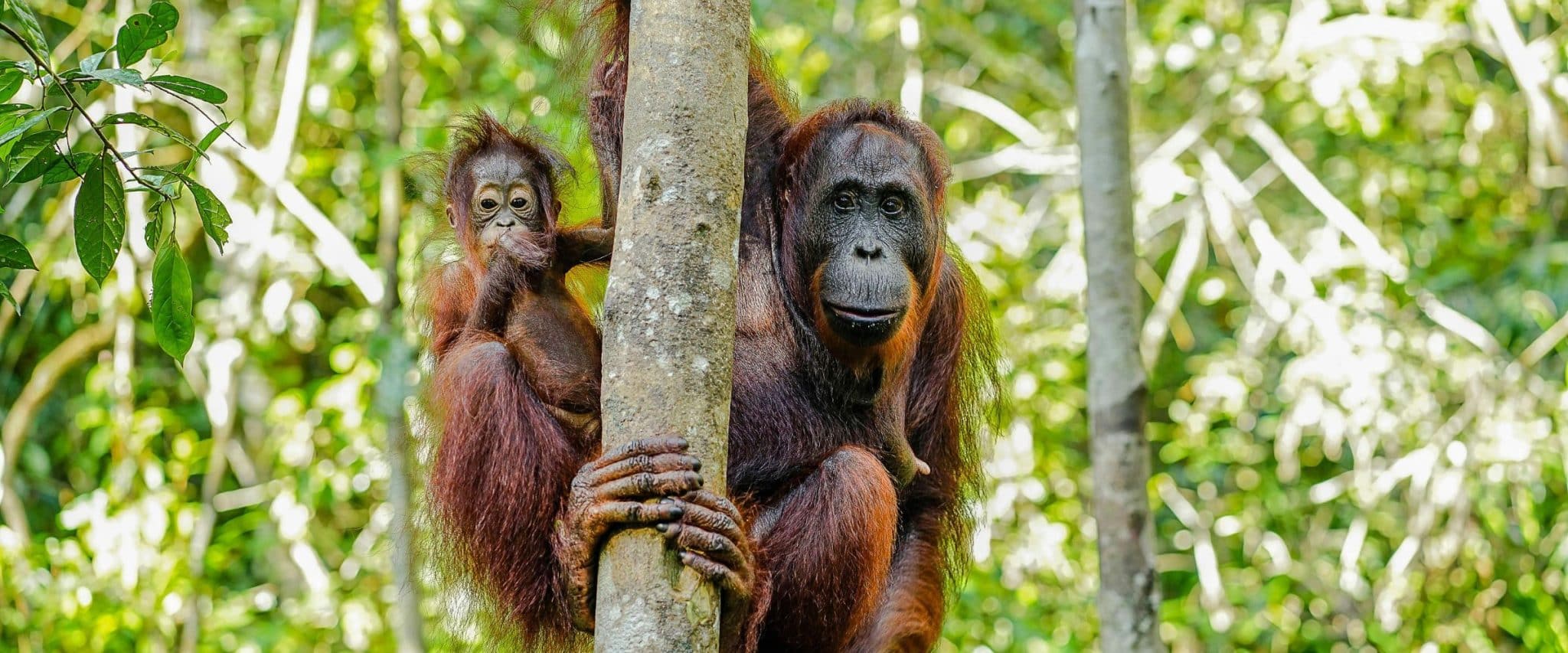
Indonesia’s 5 Super-priority Destinations – Exploring the best Indonesia has to offer
Indonesia is home to more than 17,000 islands and an extraordinary range of cultures and landscapes, from volcanoes and highlands to coral reefs and remote coastlines. It’s an incredibly varied country, with tons of places to see and things to do, but, unfortunately, much of it tends to get passed over in favor of tourist-heavy locations like Bali.
So, in 2025, Indonesia’s government launched the Super‑Priority Destinations program aimed at helping travelers experience the best of their country’s diversity, and to spread Indonesia tourism out a bit from the hotspots.
Five destinations were chosen to be super-priority spots, and they represent some of the best-of-the-best locations in Indonesia that still somehow get overlooked by vacationers. To help promote their visibility, Indonesia invested significant funds into each of the 5 spots to improve infrastructure, support the local economies and grow local tourism industries. Not only does this give visitors a better overall experience, but it leads to more sustainable travel practices by decreasing the overall impact of tourism across the country.
It’s a win-win for everyone!
Below are Indonesia’s five super‑priority destinations, and what sets each one apart.

Lake Toba (North Sumatra)
Best time to visit:
Visit from late May to early September to get the best combination of weather and low crowds.
How to get there:
It’s best to fly into Kualanamu Airport outside Medan (via Kuala Lumpur). Book a private transfer from there to your stay.
Where to stay:
Horas Family Home on Samosir offers family-friendly accommodations to help you feel at home!
Top activities:
Water activities in the lake, cultural learning in local villages, hiking and viewpoints, and, if you travel a bit, seeing wild orangutans at Bukit Lawang
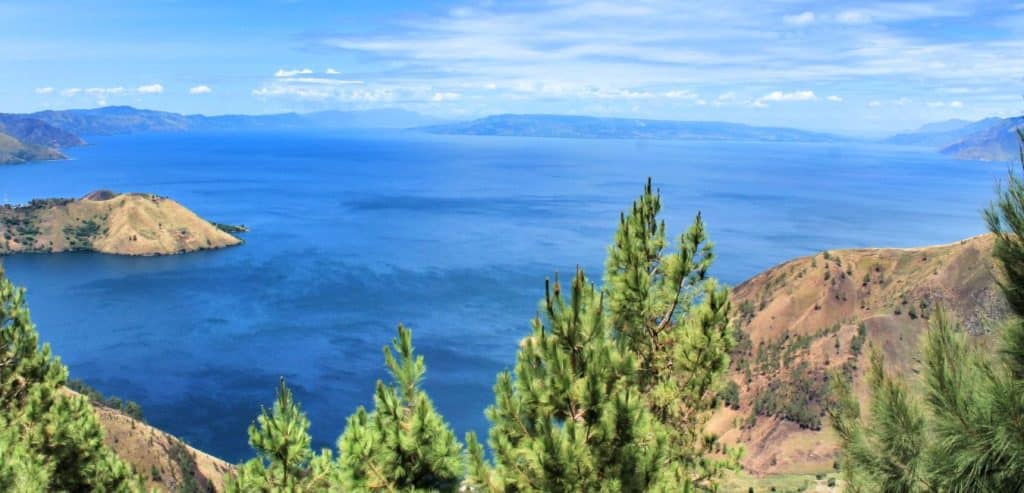
Lake Toba is the largest volcanic lake in the world, created by a massive super-eruption roughly 74,000 years ago. The lake’s enormous caldera, surrounded by forested hills and cool highland air, feels very different from the coastal beaches and diving that Indonesia is typically known for.
In the middle of the lake sits the island of Samosir, where most visitors end up staying. Samosir is known for it’s laid back atmosphere, welcoming hospitality, and tasty grilled fish, caught fresh from the lake. It’s a beautiful in-land island filled with waterfall hikes, stunning viewpoints, and local villages with gorgeous indigenous architecture.
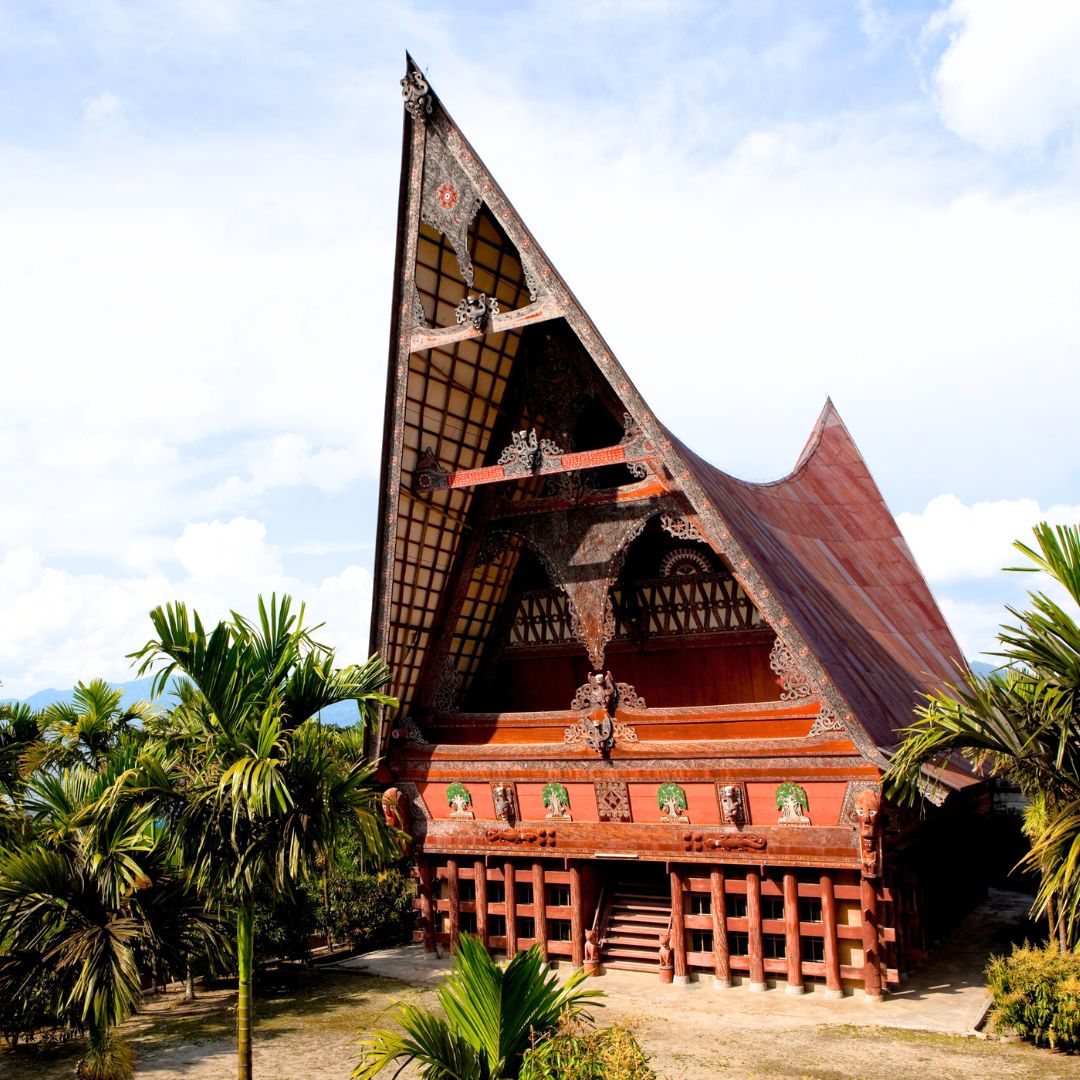
Lake Toba is heartland of Batak culture, which remains visible in daily life. Traditional Batak houses with sweeping roofs, distinctive music, and long-standing customs give visitors a chance to experience a living culture rather than a staged performance. And, for first-time visitors, there are plenty of cultural villages and museums around Samosir to help put this heritage into context.
This is a location that stands out for emphasizing a slower, more reflective pace of travel. You can spend days here walking along the lakeshore, visiting local villages, and enjoying the scenery rather than rushing between attractions. Highly recommended for families looking for a slower getaway!
While Lake Toba is an excellent choice of location for families looking for a relaxing getaway, Sumatra has a lot to offer for families in search of adventure, too!
If you want to see more of the area than just Lake Toba, consider staying in Medan and booking out trips to different spots, like this trip that explores the major spots in Lake Toba in a single day.
Borobudur (Yogyakarta)
Best time to visit:
Visit from mid-May to early September for dry weather. Avoid December and January, which have heavy rains and possible floods.
How to get there:
Yogyakarta has an international airport with direct flights from KL, Singapore, Bali, and more.
Where to stay:
You’ll want to stay in Yogyakarta. I prefer staying in lovely houses like this one on Agoda over hotels.
Top activities:
Borodudur Temple is the highlight here. But there are other temples in the area worth checking out, as well, plus a national park, a volcano, and an entire city to explore!
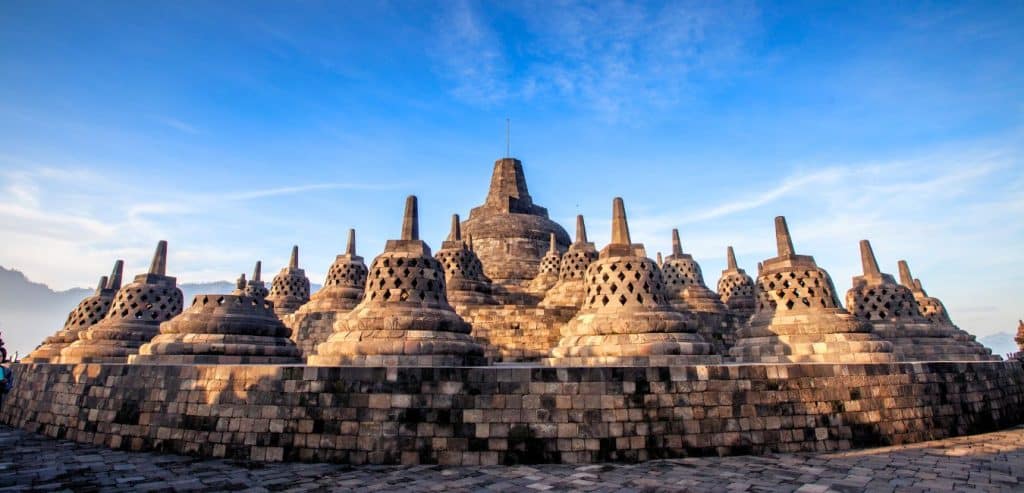
Borobudur is the world’s largest Buddhist temple and one of Indonesia’s most important historical landmarks. It was built in the 9th century during the Sailendra dynasty and covers around 2500m² (3000yd²). Stacked stone terraces covered in intricate stone relief carvings and dozens of bell-shaped stupas cover that area, giving you plenty to explore! Sunrise is the most popular time to visit, but even if you sleep in, it’s worth a trip.
Nearby Prambanan Temple is also worth a look. Where Borobudur is a Buddhist temple, Prambanan is Hindu. It features some truly massive temples, including one that reaches 47 meters (154ft) in height. It’s not as large or as impressive as Borobudur, but both temples are UNESCO Cultural Heritage Sites and great options for temple lovers.
It will only take a day or two to explore the temples, but be sure to stick around Yogyakarta for a while to explore the city and surroundings!
Mandalika (Kuta, Lombok)
Best time to visit:
May to September
How to get there:
As with most of Indonesia, air travel is the easiest way to get around. However, if you are on one of the nearby islands (say, in Bali), you could also catch a ferry to Lombok and hire a car.
Where to stay:
Find a place in or around Kuta! I’m seeing a lot of options on Agoda that weren’t there when I visited, like these lovely suites.
Top activities:
Beach days, surfing lessons, cultural villages, professional MotoGP Races
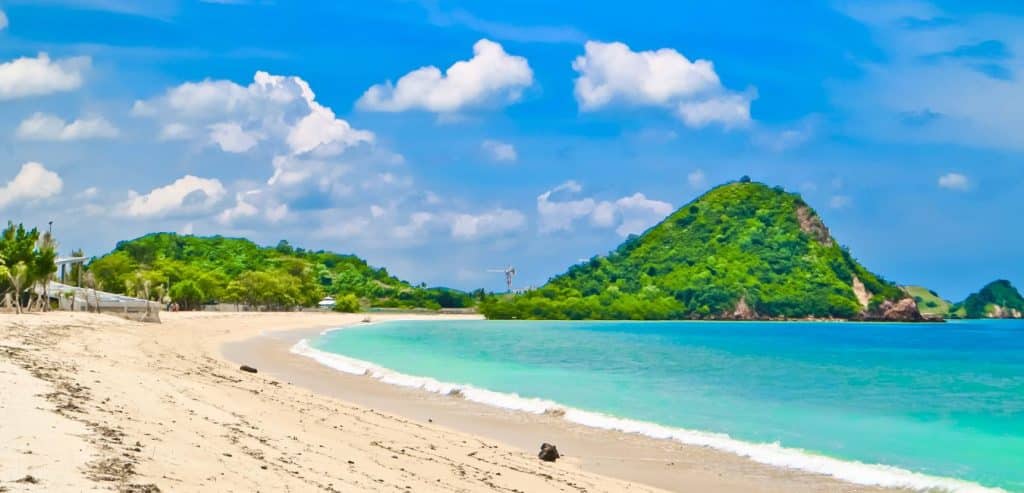
Mandalika is a rapidly developing coastal region on the southern coast of Lombok, around Kuta. The area combines wide beaches, rolling hills, and turquoise water with updated infrastructure to make travel easier and offer a modern tourism destination.
The major draw for most families visiting the area is the coastline. The beaches here are broad, scenic, and often uncrowded, backed by grassy headlands rather than dense development. For visitors, this means room to explore, swim, or simply enjoy the landscape. Beach days are easy, and watersports, like surfing, are readily available.
But Mandalika is also being positioned as an international events hub. The Mandalika International Circuit (opened in 2021) has brought global motorsports to Lombok, placing the region on the world stage and attracting a different kind of traveler. If I’m being honest, motorsports are not really my thing, but for the right family, this could be a great addition to your trip!
Beyond all that, the updated roads mean that Kuta is well-connected to the rest of the island as a whole. Lombok is a pretty chill place and offers a break from more crowded locations. If you plan on visiting, it is well-worth your time to explore everything the island has to offer!
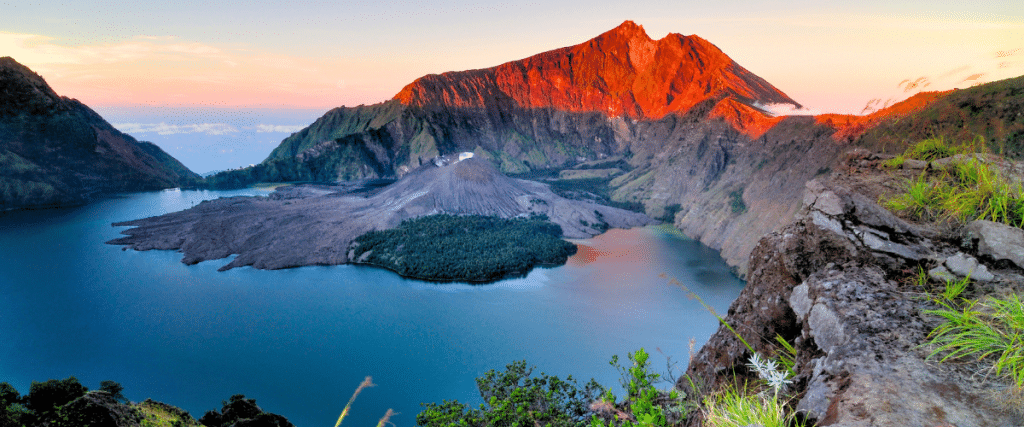
Labuan Bajo (East Nusa Tenggara)
Best time to visit:
April to October, during the dry season.
How to get there:
The quickest way is to fly in to Labuan Bajo Airport. However, you can also take ferries or multi-day Komodo cruises to get there.
Where to stay:
Staying near the waterfront provides the best blend of convenience and comfort.
We stayed at Eco Tree O’tel and found it to be a comfortable but budget-friendly option.
Top activities:
Komodo dragons at Komodo National Park, world-class diving spots, visiting indigenous villages
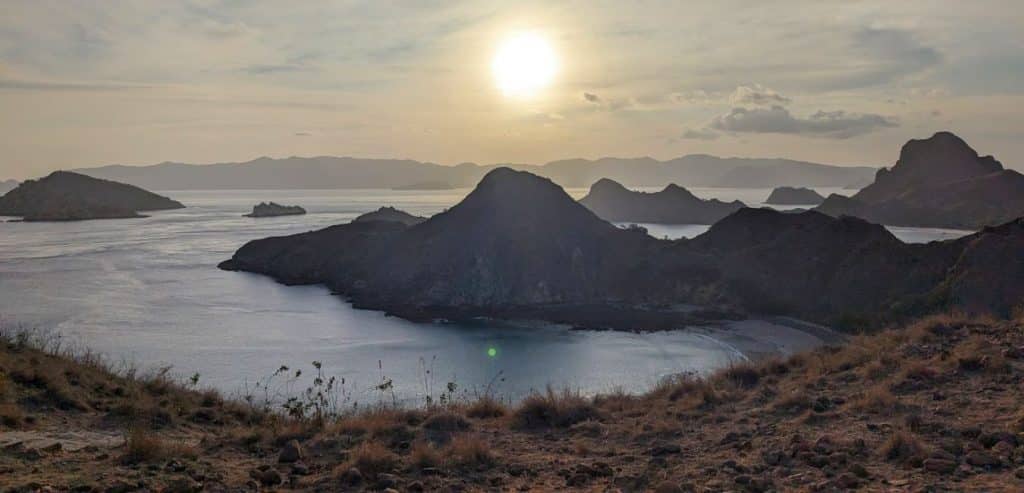
Labuan Bajo is a small harbor town on the western tip of Flores that has become the primary gateway to Komodo National Park. While the town itself is compact, it opens the door to a landscape of rugged islands, coral-rich seas, and protected wildlife found nowhere else on Earth. This combination of access and raw nature is what places Labuan Bajo at the center of Indonesia’s super-priority tourism vision.
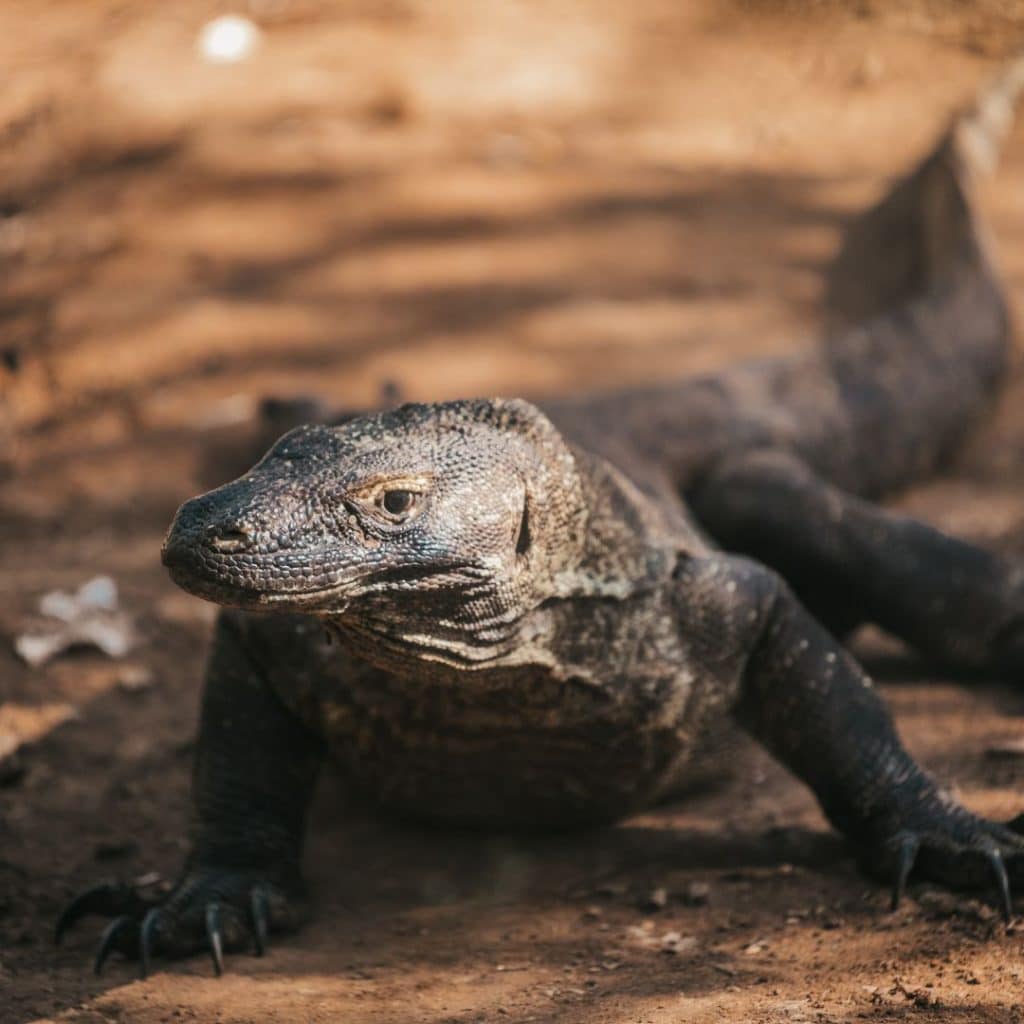
The area is best known for Komodo National Park and its namesake dragons. These large, wild monitor lizards live only on a handful of islands in this region, making a visit here a rare opportunity to observe a truly unique species in its natural habitat. Guided walks on Komodo and Rinca islands also introduce visitors to broader conservation efforts aimed at protecting fragile ecosystems from over-tourism.
Labuan Bajo is equally defined by its marine biodiversity. The surrounding waters sit within the Coral Triangle, supporting vibrant reefs, manta rays, sea turtles, and hundreds of different fish species. Snorkeling and diving spots here offer some of the best experiences in the world.
Likupang (North Sulawesi)
Best time to visit: Mid-July to mid-October (Dry Season)
How to get there: The easiest way is to fly in to Sam Ratulangi International Airport. However, as with most places in Indonesia, you can also take a ferry from nearby islands.
Where to stay:
Stays is this area are either dirt cheap rooms or luxury resorts, with very little in between.
Spots like Gangga Island Resort & Spa look incredible if you have the money. If not, Casabaio Likupang Resort is a more budget-friendly option.
Top activities:
Bunaken Tangkoko Minahasa UNESCO Biosphere Reserve, relaxing on the beach,
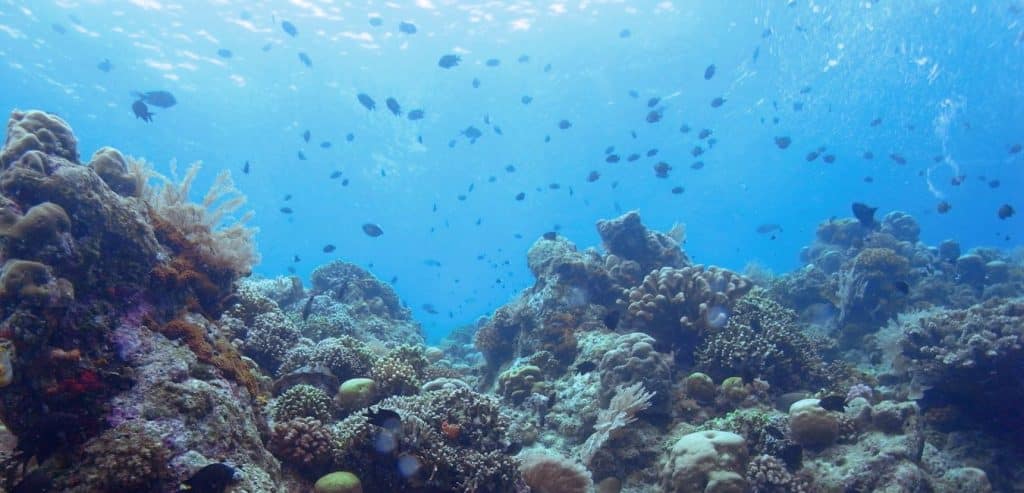
Likupang is a coastal area located northeast of Manado in North Sulawesi, and it is the least-known spot of Indonesia’s five super-priority destinations. That relative obscurity is part of its appeal! It is a region that offers a chance to experience what Indonesia was before the mass tourism, and the development projects here focus on access and sustainability rather than creating large-scale resorts.
One of Likupang’s defining qualities is its quiet coastline. Beaches here are calm and lightly developed, often backed by palm trees and fishing villages rather than hotels. Coastal mangrove forests shelter unique wildlife, and the nearby Tangkoko National Park offers a chance to spot cuscus, hornbills, and tarsiers, which are some of the smallest primates in the world!
It’s a perfect environment for quiet beach days, hiking, and unstructured exploration!
Likupang also serves as a gateway to some pretty extraordinary marine ecosystems. Its waters lie within the Coral Triangle, a spot that’s recognized for having some of the highest marine biodiversity on the planet. Snorkeling and diving around Likupang and nearby islands gives you the chance to see vibrant corals, a huge variety of reef fish, and an underwater habitat that plays a critical role in global ocean health.
Likupang is also a great spot to see the cultural diversity of North Sulawesi. It is a region shaped by Minahasan traditions and Christian influences, and it differs from the majority of Indonesia. Local foods, festivals, and village life can provide a small glimpse into the ways geography and history have created a distinct regional identity here.
Why These Destinations Matter
Indonesia’s five super-priority destinations reflect a deliberate shift in how the country approaches tourism. Rather than concentrating visitors in a single place (ahem, Bali, *cough, cough*), the program highlights regions that showcase Indonesia’s geology, history, marine biodiversity, and living cultures, all while encouraging development that is more sustainable and designed to help the locals living in these incredible spots around the country.
For travelers, especially families and curiosity-driven explorers, these destinations are an invitation to explore Indonesia at a slower, more thoughtful pace. They offer opportunities to learn directly from places and communities, not just pass through them. And as infrastructure improves and awareness grows, Indonesia’s super-priority destinations are likely to shape how visitors connect with the country beyond its most famous beaches.