The top 25 places to visit in Thailand with Kids – and why you shouldn’t see them all in one trip
Thailand shows up on a lot of family travel lists for good reason. Most families looking at Thailand are after the same things: affordability, fun, and ease. And plenty of spots in Thailand offer these basics! But what many families often miss in their planning is how many different kinds of trips Thailand actually offers.
For families traveling with kids, the real challenge isn’t deciding whether Thailand as a whole is a good destination. It’s deciding how best to use their time there!
Different times of the year lend themselves better or worse to different spots in Thailand. This list is designed to help you figure out which places might work best for your trip, and what there is to do once you’re there. It’s not about seeing everything or doing Thailand “right.” It’s about understanding the strengths and weaknesses of different locations around the country so you can build a trip that fits your family’s actual pace.

Why Thailand Is a Good Fit for Families
Thailand works well for families because it treats tourism as a real, long-term industry. Systems exist because visitors are expected. Transportation is widespread and easy to use. Accommodation quality is fairly consistent across price points. Restaurants, clinics, and pharmacies are easy to find, even outside major hubs.

For families, this shows up in practical ways. Plans are easier to adjust. Missed connections are recoverable. A sick kid or a low-energy day doesn’t unravel the entire trip. Parents spend less time troubleshooting and more time making simple decisions about how they want to spend their time.
Thailand is also actively invested in keeping travel smooth. Infrastructure is maintained. Tourist areas are supported. Services are designed to handle a wide range of visitors, including families who aren’t trying to travel at maximum efficiency.
Not every place is easy, and planning still matters. But the overall, travel in Thailand is pretty forgiving. And that flexibility is what makes it such a great fit for family travel!
A Map of the 25 Top Places for Families to Visit in Thailand
Timing Your Trip Matters
If you haven’t been to Thailand before, you may not realize that it isn’t a single, uniform destination. The timing of your trip affects different regions in very different ways. Choosing when to go is often just as important as choosing where!
For instance, Northern Thailand has a hot, dry period in late winter and early spring that often overlaps with agricultural burning. During this time (called burning season), air quality drops to some of the worst in the world and outdoor activities become way less enjoyable. But the rest of the year, the air is clean and it’s a great place to visit!


Southern Thailand, on the other hand, splits its weather patterns by coast. The Andaman Sea side (West Coast) sees heavier rain during the mid-year monsoon season, while the Gulf of Thailand side (East Coast) tends to get its wettest months later in the year. Picking the wrong coast at the wrong time won’t ruin a trip, but it can limit what’s available.
The takeaway is simple: match your destinations to the season. A place that works beautifully one month can feel frustrating the next, and planning around that makes family travel much easier.
Best Places for Families to visit in Northern Thailand
Northern Thailand shines as a destination for those who love history, culture, and spending time in nature. Thailand’s ancient capitals were located in this region, and the larger cities in the north feature vibrant old towns and beautiful temples. Outside of the towns, a variety of parks showcase the natural beauty of the region with a number of family-friendly parks and trails, as well as waterfalls, farms, and some of the most stunning views in the country.
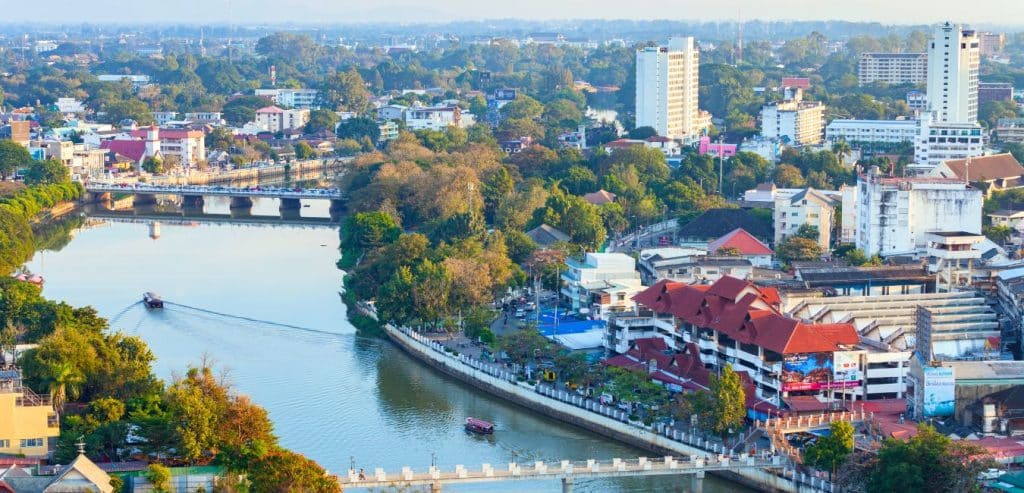
Timing matters here more than almost anywhere else in Thailand. The best window is roughly July through January, when air quality is good, the landscape is green, and being outdoors feels manageable. The hardest stretch is late February through April, when agricultural burning can severely impact air quality across the region. During that period, even the easy days can feel hard.
Chiang Mai
Chiang Mai is the second-largest city in Thailand and the former capital of the Lan Na Empire, before Thailand became the country it is today. It’s a city filled with history, culture, and plenty of great food! Plus, it’s one of the more livable cities in the country for foreigners!
Alongside the cultural attractions, Chiang Mai is also well positioned for accessing several different national parks in the area that are great for hiking, waterfalls, and just enjoying the mountain air.
The Sticky Waterfall is a unique waterfall formation outside of Chiang Mai where the stone's shape allows people to easily climb up the waterfall without slipping.
Great for adventure loving families!

Chiang Rai
Chiang Rai was the capital of Lan Na before Chiang Mai, and features a ton of temples dating from that time. However, newer temples in the area, including the White Temple and Blue Temple, are just as often the highlights of visitor’s trips. We visited both during our time here and found them to be beautiful places worth visiting!
Other highlights for our family were the Choui Fong Tea Plantation outside Chiang Rai, the variety of beautiful cafes in the area, and, of course, the local night markets where we found street food in the evenings.
My family did almost every activity listed on this tour over the span of 2 weeks in the Mae Sai and Chiang Rai area, but if you're short on time, or just don't want to organize your own transportation, this tour out of Chiang Rai visits all of them in the course of one day!
If I'm being honest, this feels like a lot for one day, but, especially if you're short on time in Chiang Rai, this seems like a pretty good (and well-rated) way to see a lot of what makes the area special!

Pai
Pai is one of the smaller towns on this list, and visitors to the area shouldn’t expect the same variety of things to do as in the larger cities. However, for certain kinds of families, it makes for an incredible escape! Pai has been known as a backpacker’s town for decades, and has a laid-back budget travel feel.
Caves, waterfalls, and hot springs can all be found around Pai, and there are campsites for families looking to get into nature. On the culture side of things, there is a nearby village, Santichon, where Yunnan Chinese immigrants settled there in the 1940s-50s which offers a much different experience from most Thai villages, and is definitely worth a visit if you’re in the area.
Pai works best for families looking to decompress rather than families looking for more active adventures.
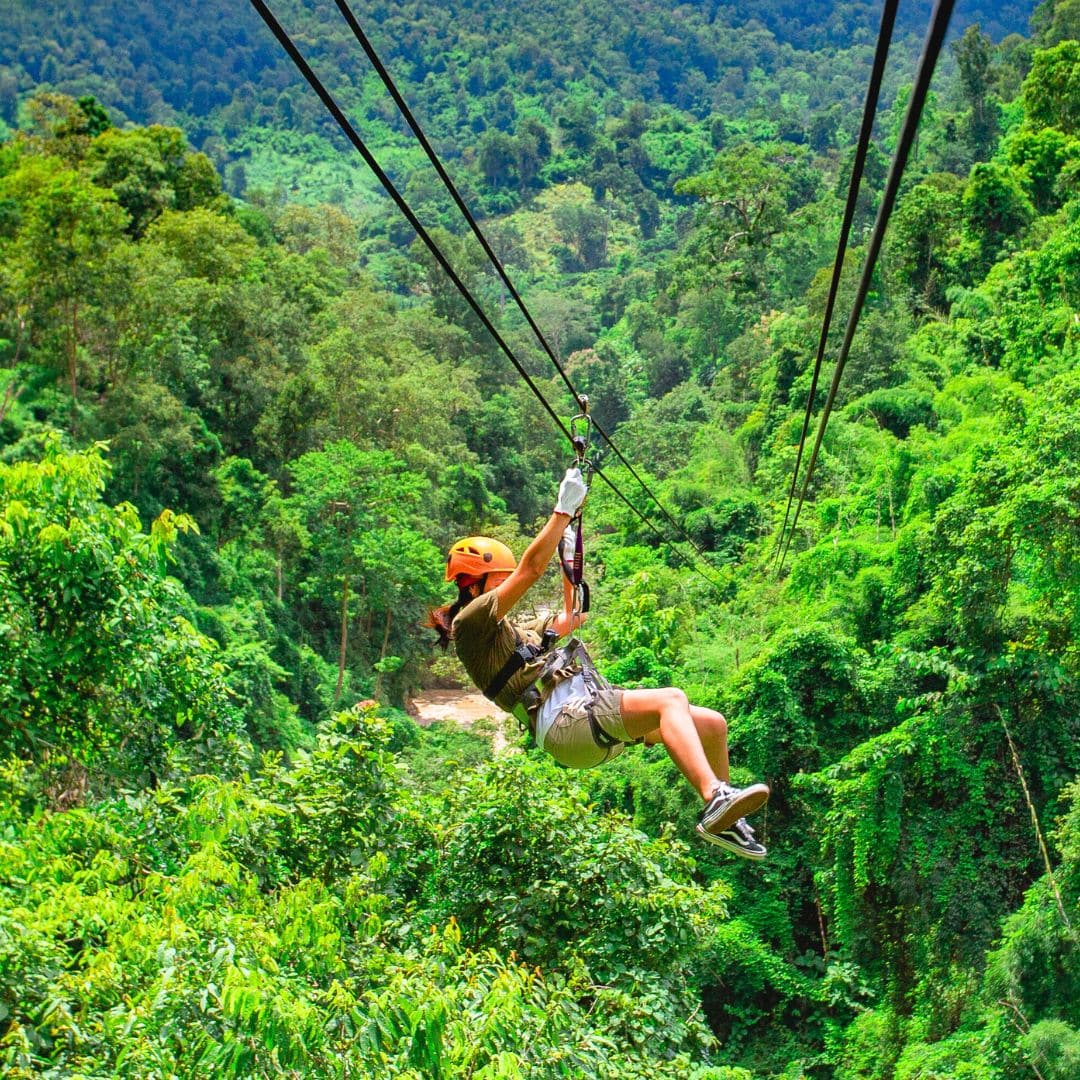
If there's one adventure activity that my kids ask us to do again and again, it's ziplining.
There's just not much out there that gives you that sense of flying through the air, especially that's accessible to kids!
And, I have to admit, I'm a pretty big fan of it, too!
Sukhothai
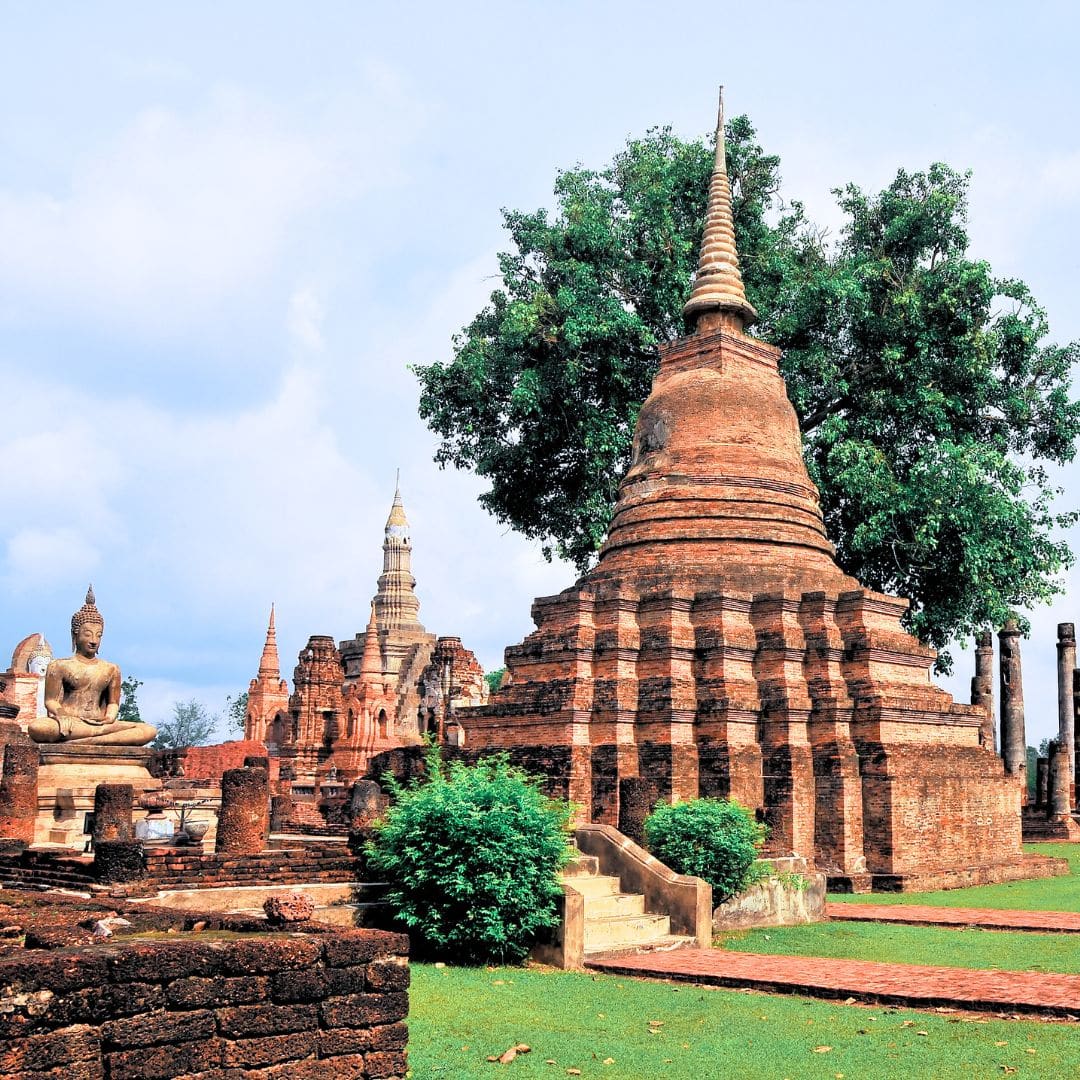
While the modern city of Sukhothai has plenty for families to do, the main reason visitors come to the area is for the UNESCO World Heritage site of Historic Sukhothai. This was the first independent Thai Kingdom after breaking from Khmer rule, and the architecture of the ruins reflect a blending of different influences from across the region.
The Sukhothai Historical Park covers roughly 27 square miles of area and features 193 different ruins. Tuk tuks and local shuttle services can drop you off at many of the spots along the outside, but if you want to explore the interior, bikes are one of the easiest ways to do so.
Large archeological spots like this can be a ton of fun, giving your kids a chance to explore ancient ruins. This is especially true at Sukhothai, where the ruins are surrounded by forest! I highly recommend it!
Bikes are easily one of the best ways to get around the Sukhothai Historical Park, for those who know how to ride, and this tour let's the whole family explore by bike with a guide who knows the regions history!
This is a full-day tour, though, so it's better for families with older kids.
Mae Sai
Mae Sai is a smaller city located right on the Thai border with Myanmar. It can be visited on a day trip from Chiang Rai, but I feel like it’s worth taking a night or two to explore the area more fully.
During my family’s trip across South East Asia in 2024, Mae Sai was our stand in location for visiting Myanmar, since we weren’t comfortable traveling through a country with an active conflict happening with kids in tow. But since Mae Sai is right on the border, we were able to at least see a bit of Myanmar and sample some Burmese food!
While in town we also explored some of the local temples (including one with a glass bridge where we could look across the border), wandered the local market, and took an afternoon trip to Sop Ruak to see the Golden Triangle and visit the (surprisingly kid-friendly) House of Opium museum. (Not to be confused with the Hall of Opium museum, which also looks very nice.) It’s a smaller town, but we had a great time!
There aren't a lot of tours of the Mae Sai area listed online, so I'd recommend finding a place to stay (like this lovely spot) and exploring on your own!
We enjoyed walking Mae Sai as a family, and, when it got hot, tuktuks were readily available to pick us up.
Best Places for Families to visit in Central Thailand
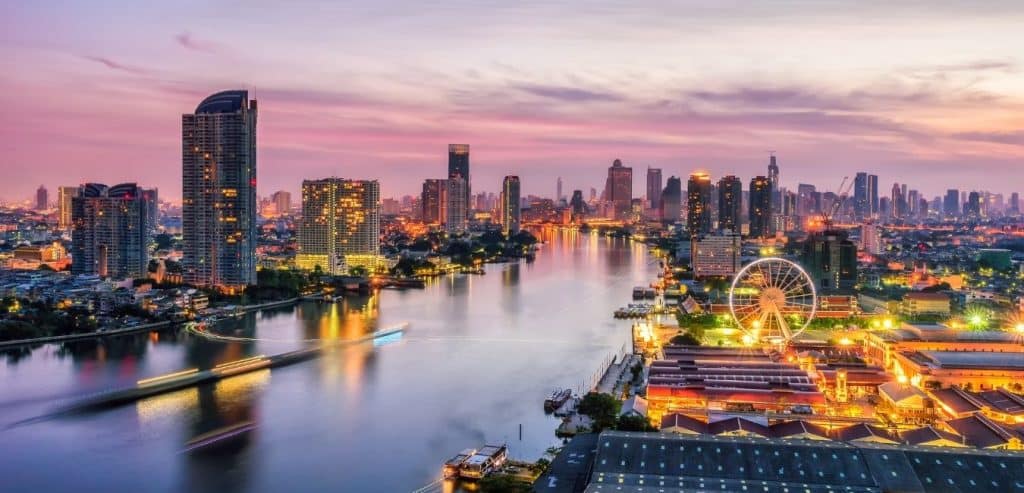
Central Thailand is the country’s connective tissue: major cities, historic sites, and transit routes that make moving around so much straightforward. Bangkok is the highlight here, as then largest city in the country. But the region also features a bit of everything that makes Thailand great: culture, history, beaches, forests, ruins, and incredible street food.
The most comfortable time to visit is November through February, when temperatures are milder and rain is minimal.
Bangkok
Bangkok can be intense, but it’s also one of the most workable large cities in Southeast Asia. Visitors tend to experience Bangkok in layers rather than all at once. Mornings might involve a short outing to a temple or a park, followed by long stretches indoors to beat the heat and an evening exploring markets, eating tasty food, and relaxing.
The city is filled to bursting with temples to visit and markets to explore, whether on foot, by train, or even through a system of river and canal boats. Plus, it works as an excellent central travel hub, not just for other places in Thailand, but across Southeast Asia as a whole!
Market tours are easily one of my favorite activities (because of the food), and this guided tour takes you through two of Bangkok's most unique ones!
One is a floating market where you can float happily between market stalls while enjoying your buys, and the other is a market that's located right on some train tracks. If you time your trip right, and with a guided trip, you will, you'll get the chance to see the vendors pulling back their wares for the train to pass!

Ayutthaya
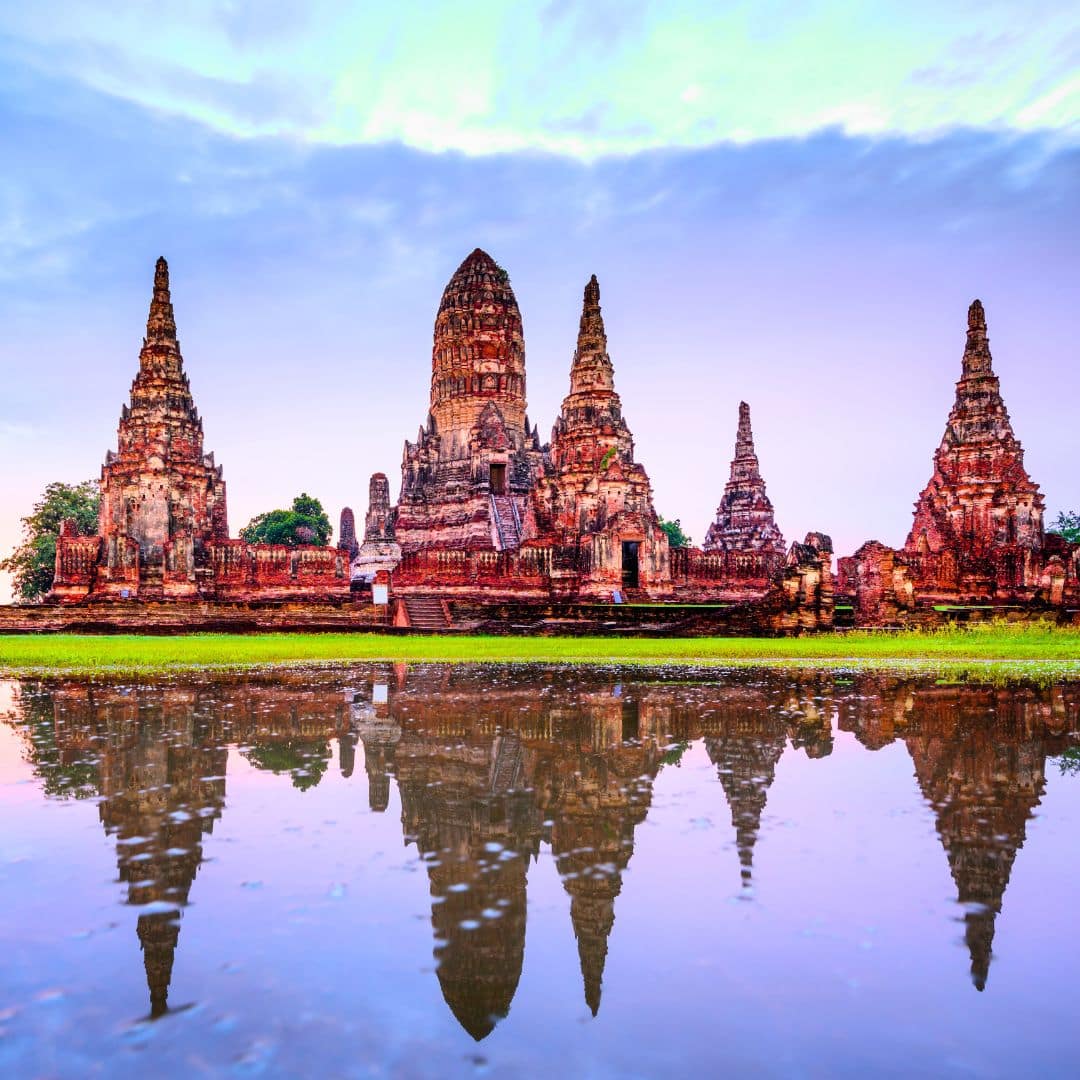
As recently as the 1700s, Ayutthaya was thought to be the largest city in the world, hosting more than a million people in a time when cities like London had population around half that. It was a cosmopolitan global trade hub, and remained important until 1767 when it was sacked and burned by an invading army. Afterwards, Siam moved its capital to nearby Bangkok, and Ayutthaya fell into ruin.
Today, Ayutthaya is a small UNESCO World Heritage Site covering only a little more than a square mile of area about an hour and a half outside of Bangkok. It’s best experienced as a daytrip out of the capital, and is filled with historic Siamese ruins.
You can absolutely explore the ruins on your own, but for a deeper understanding of the history at play there, I’d also suggest visiting the nearby Chao Sam Phraya National Museum or making sure to hop on a tour with an experienced guide!
This is a highly-rated full day tour of Ayutthaya that leaves out of Bangkok with larger bus tour or private tour options. (Definitely opt for the private tour!)
Kanchanaburi
Kanchanaburi is best known as the location of the bridge over the River Kwai, which is an important part of WW2 history. If you’re traveling with older kids, or are looking to add a bit of history to their educations, being able to visit locations like this in person is an invaluable teaching aid for making things feel real.
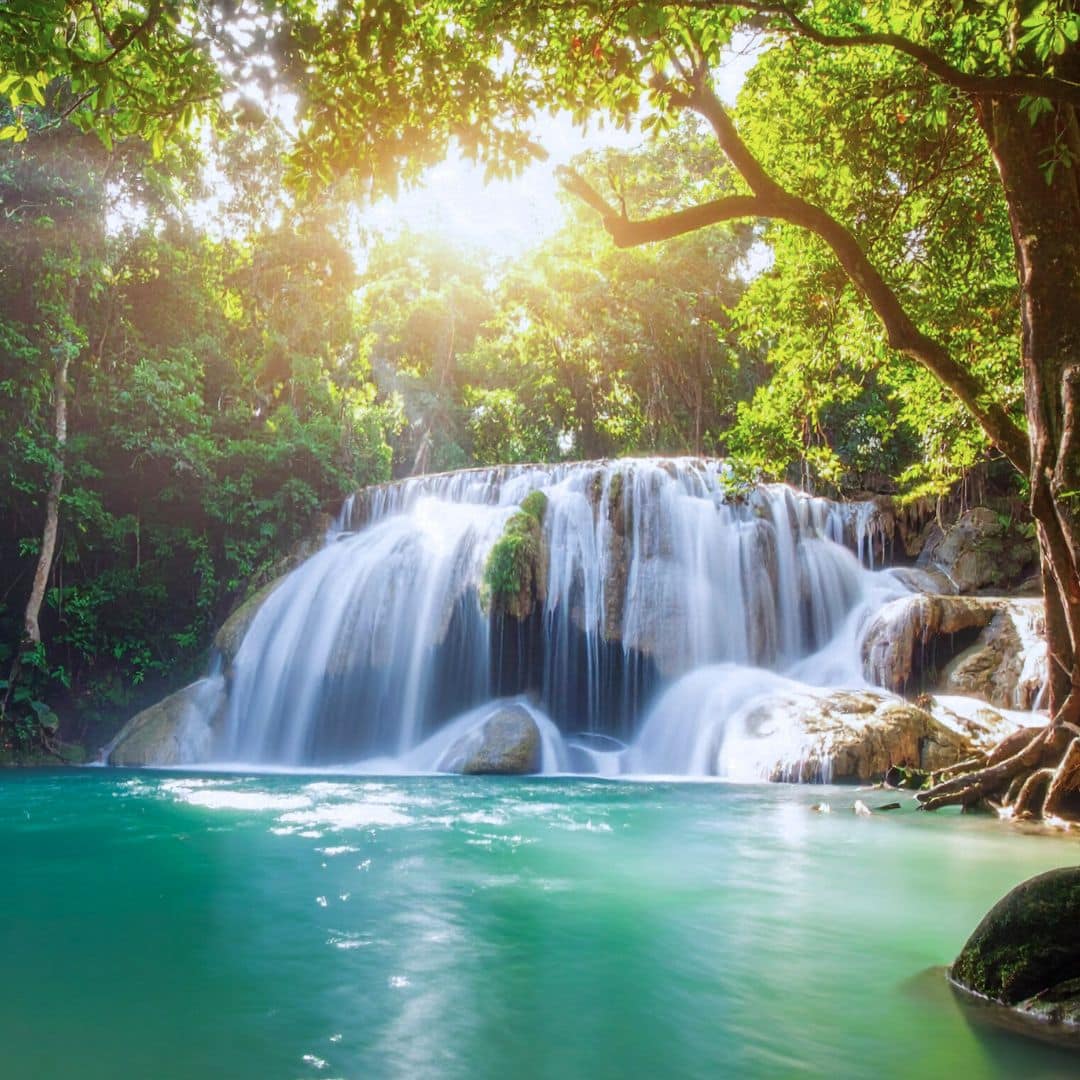
However, if your kids are younger, or if you’d just prefer to do something more active, Kanchanaburi is also home to a spectacular 7-tiered waterfall in Erawan National Park! There is a hiking trail that takes you from the bottom falls all the way up to the top and several places where you can get in and swim to beat the heat, making this a great outdoors activity! Just be aware that during dry season, the falls do stop flowing, so don’t plan on visiting from about March through June. (and maybe July, depending on the rains.)
Learn about the history of the iconic Kanchanaburi Death Railway and explore nearby Erawan National Park's waterfalls, all in one trip!
The two parts of this trip definitely have different feels, but both are interesting and worth taking a look.
Hua Hin
Hua Hin is a mid-sized beach city on the Gulf of Thailand located just a few hours south of Bangkok, and it’s one of the most accessible beach stays in the Central Thailand area! The beaches in the area are large, with plenty of nearby amenities, and when the sun sets there are a variety of night markets where you can grab a bite to eat. Basically, it’s an easy place to enjoy Thailand’s sunny weather and have a good time without needing to travel too far from Bangkok!
Of course, if you want to add a bit of adventure to your trip, Hua Hin is also the launching off point for safaris into Kaeng Krachan National Park (the largest National Park in Thailand), as well as the stunning Phraya Nakhon Cave where you can see a magical looking pavilion inside a cave!
Phraya Nakhon is an absolutely stunning cave with a small royal pavilion built inside the cave in a section where the limestone collapsed and left the cave open to the sky.
While it doesn't quite match the beach vibe that many visitors are looking for, it is a fantastic counterpoint for a day when you need a break from your break.

Chanthaburi
This Thai city is typically relegated to being a stopover for travelers on their way to either Koh Chang or to the Cambodian border, but it’s definitely worth spending at least a few days exploring here for its own sake! Located just off the coast of the Gulf of Thailand, it is one of the cities furthest east in “Central” Thailand.
The area surrounding Chanthaburi is filled with incredible viewpoints and forest hikes, including one in Namtok Phlio National Park where you can see one of Thailand’s top-rated waterfalls. Chanthaburi itself is home to a beautiful old town area founded by immigrants from around South Asia, and Thailand’s largest Catholic Cathedral. But the real highlight of the trip is Chanthaburi’s weekend gem markets.
Chanthaburi isn’t a name most people would recognize, but for gemologists it’s a pretty big deal. That’s because, at its height over 80% of all sapphires and rubies traded globally passed through the streets here. Most of the actual gem mines in the region have been tapped out, but Chanthaburi’s markets remain a big deal and every weekend millions of dollars of gems are bought and sold here. And be sure to visit the Gems and Jewelry Center to pique your kids’ interest in gems before walking the market to get the most out of your visit!
Whether you're in Chanthaburi to see the famous gem markets or are just passing through on the way somewhere else, it's hard to pass up a stay at a beach resort at a price that's sure to please.

Best Places for Families to Visit in Thailand’s Gulf Islands
Many of the visitors who head to Thailand come for the wealth of tropical island getaways and beaches. Thailand’s Gulf Coast islands are the epitome of luxury beach getaway, and are often featured in shows and movies looking to capture that magic.
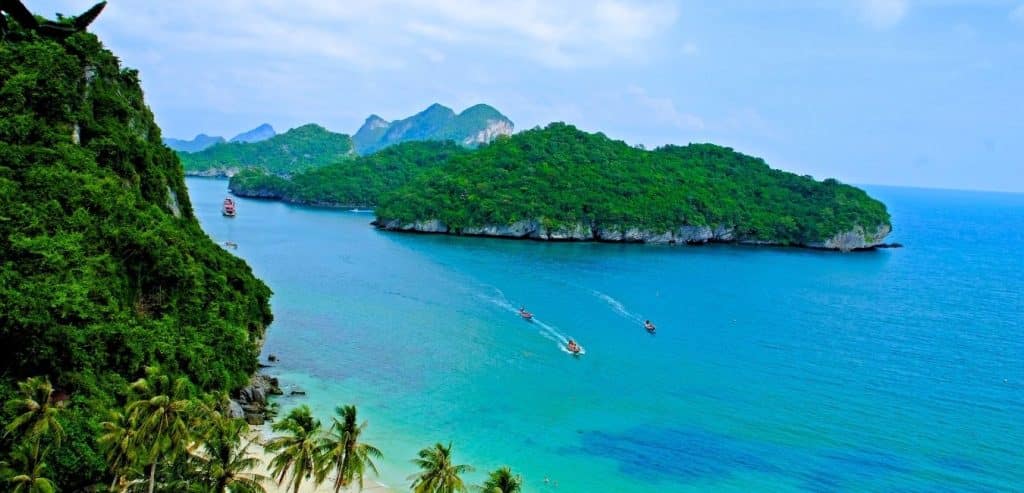
Weather is different, depending on which side of the Gulf of Thailand you’re visiting, but if you’re visiting the islands off South Thailand’s Gulf Coast, avoid coming from late October through December. Rains are heavy during that time period, and ferries and flights are often disrupted or canceled. Along the eastern coast, things are a bit more sheltered, though, and those same months mark the beginning of the region’s high season.
Koh Tao
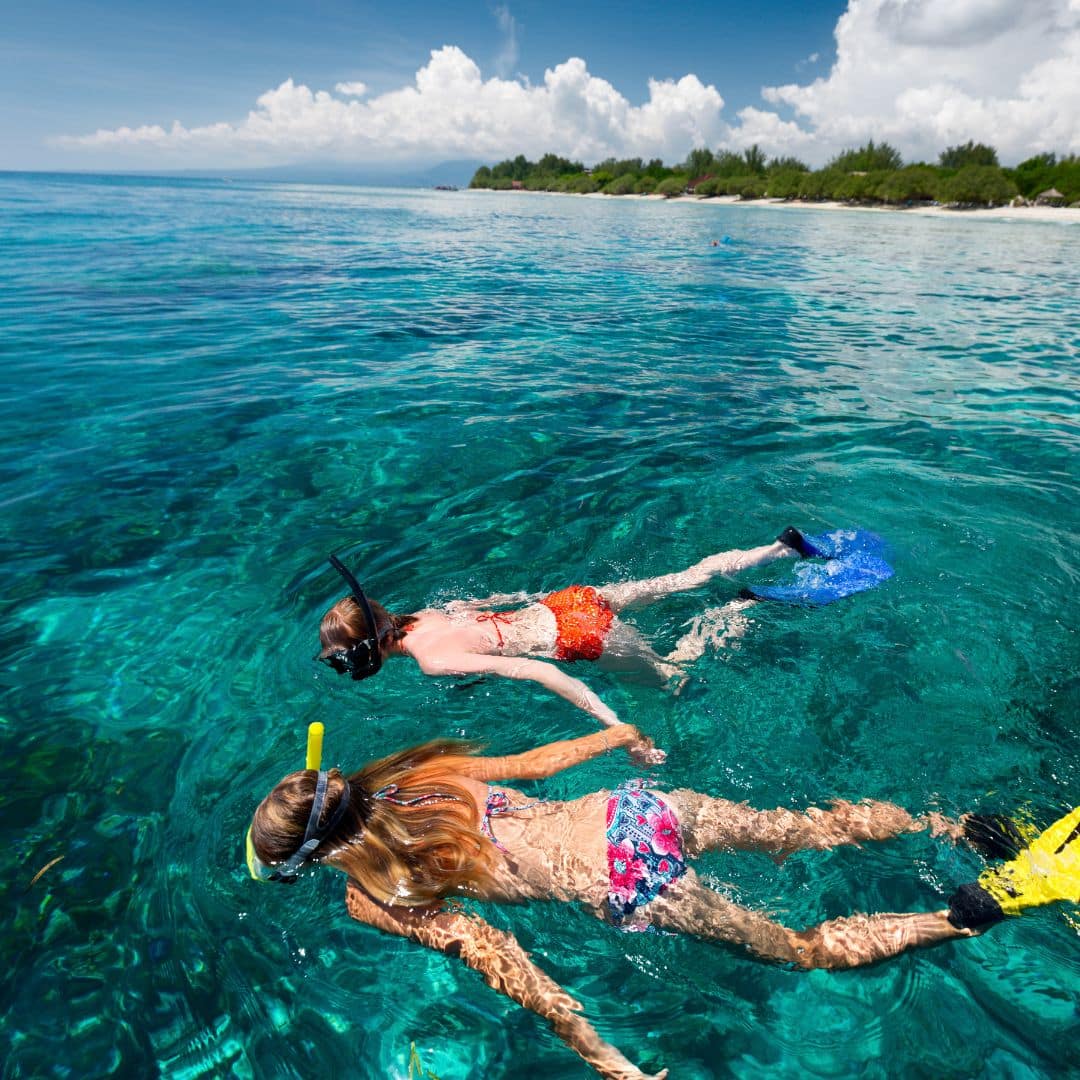
Koh Tao is, first and foremost, about exploration in the water! Snorkeling is the main draw, and it’s easy to access from shore in several areas without needing to take long boat trips. Adults (or older kids) with SCUBA certifications will find plenty of dive spots nearby, as well, and those who prefer to stay dry(ish) have a wealth of beautiful beaches to choose from!
The general vibe of the island is quieter and more laid-back than the other islands in the area, which is great, if that’s what you’re looking for! As with all the islands, everything is a bit pricier than on the mainland, but it’s not too hard to find economical places to stay and food to eat. Overall, it’s a great choice!
This full-day (7hr) snorkeling trip lets you explore 5 different secluded islands around Koh Tao and experience some of the absolute best snorkeling that Thailand has to offer!
Seven hours can be a bit long, though, for families with younger kids, so this is best for families who have older kids or who know that their kids love snorkeling.

Koh Phangan
Koh Phangan has a reputation as a party island and is known for very wild very loud full moon parties with tons of young backpackers. However, between the full moons, you can find a very different experience there! Away from the party-focused areas, the island is quiet, green, and surprisingly calm.
Unlike Koh Tao, there aren’t a lot of great snorkeling spots here. However, there are a wealth of beaches, green hikes, waterfalls, and more on the island, as well as plenty of markets, restaurants, and events to keep things lively.
If there's one thing that pairs well with a relaxing island getaway, it's a plate of delicious food!
Our family loves doing cooking lessons across the globe and exploring what all goes into our favorite dishes.

Koh Samui
Koh Samui is an incredibly laid back spot, and a great choice for families looking for a chill place to stay. Beaches are the main highlight here, and there are several to choose from. Other big hits are the local markets where you can do some tourist shopping and grab some tasty eats, several small temples, and, for those who are interested, the mummified remains of a Buddhist monk.
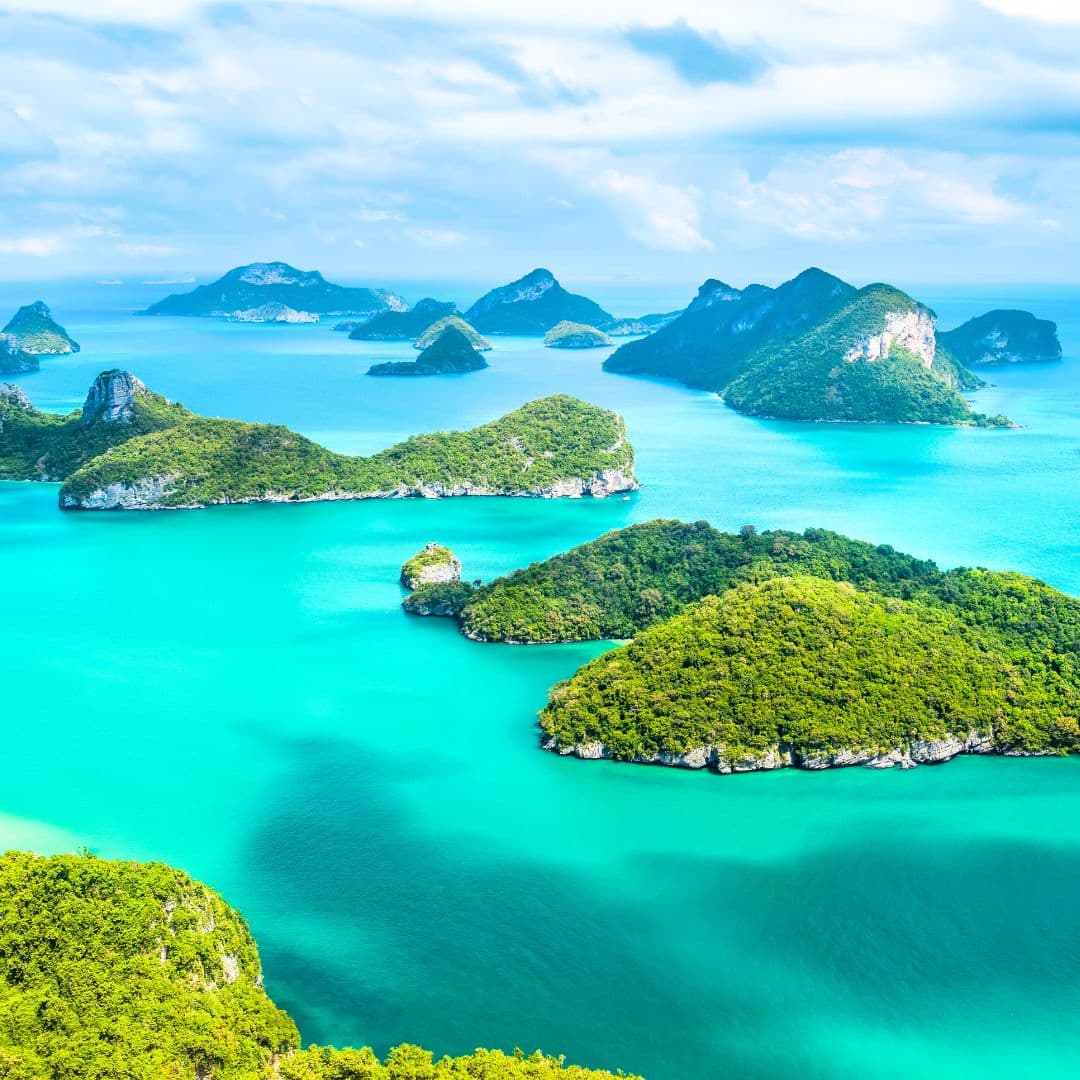
If you need a break from the relaxation and want a fun outing, this is also the best launching off point for visits to Ang Thong Marine Park, which is a stunning collection of limestone islands filled with hiking trails, caves, and beaches. You can only go with licensed operators, and they only leave from Koh Samui or Koh Phangan, so it’s an excellent way to get out into nature!
Is there anything as great as spending a day out on the water? Probably not.
There are less luxurious ways to check out the Ang Thong Marine Park, but for a full day of fun exploring the best that Thailand has to offer, this is a great deal!
Koh Chang
While the previous three islands sit off South Thailand’s gulf coast, Koh Chang and its sister islands are located across the gulf on Thailand’s East side, near Cambodia. Koh Chang is more on the rugged side, with denser jungles, fewer crowds, and several waterfalls.
It’s known less for wild beach parties and more for being a place to explore, which I absolutely love. And, while there’s plenty of great places to see and things to do there, it’s also the launching off point to the smaller islands, Koh Mak and Koh Kood, which offer even more trails, waterfalls, and adventures!
Koh Chang is less well-known than the other three on this list, but if you’re looking for kid-friendly adventure instead of another day at the beach, it’s an excellent choice.
Explore some of the best snorkeling in the region in Koh Rang National Park! This is a full day snorkeling excursion with an excellent local dive shop.
They also offer SCUBA excursions, including a Discovery Dive for those who don't yet have their license. Definitely check them out!
Best Places for Families to Visit in Southern Thailand and the Andaman Coast
Thailand’s Andaman Coast is the region that many people picture first when they think of Thailand. Limestone cliffs rising out of the water, islands clustered close together, and travel days on boats rather than in cars. Thailand’s west coast on the Andaman Sea is home to some of its best beaches, diving, and, when you venture to the mainland, tropical forests.

The best time to visit is roughly November through April, when seas are calmer and boat travel is reliable. May through October brings the southwest monsoon, which can mean rough waters, canceled trips, and limited visibility, even when rain itself is intermittent.
Krabi
Krabi is a medium-sized city on the Andaman Coast that often serves as a launching off point for exploring the region. With its own international airport, docks for speed boats and ferries, and relatively easy roads for reaching Thailand’s other coast, Krabi makes a great travel hub for visitors looking to visit the best Thailand has to offer.
However, Krabi also works as a pretty decent destination on its own. Nearby beaches, like Ao Nang, are easy to access and beautiful, and there are a wide number of other fun things to do, from kayaking through mangroves to exploring the Tiger Cave Temple!
Hot springs, blue lagoons, and a temple among the clouds are all featured on this full-day tour out of Krabi.

Phuket
Phuket is the single largest island in Thailand, and that larger size has given the island’s city and resorts lots of space to grow. Where most of the smaller islands lean into their small island feel, visiting Phuket feels like visiting a beachside city, complete with a variety of resorts, museums, and attractions ranging from museums, to temples, to minigolf and climbing gyms.
If you want the best of beaches and island hopping but prefer city-vibes to quiet island getaways, Phuket could be a great choice for you! Roads are good, medical care is excellent, and there’s no shortage of places to retreat when energy dips.
Explore a secluded lagoon in a canoe, visit the island beach made famous by James Bond, and watch the sea light up with glowing plankton, all on the same trip.

Trang Islands
There are five main Trang islands – Koh Muk, Koh Kradan, Koh Libong, Koh Ngai, and Koh Sukorn. Each has their own charm, from the Emerald Cave on Koh Mook to going dugong spotting off the coast of Koh Libong, but they all have one thing in common: quiet solitude away from the typical tourist hotspots.
These islands are the epitome of the island getaway, and if quiet family time in a stunning location is on your travel list, choosing one, or all, of these islands is a surefire way to find that peace.
While it's pretty easy to visit the Trang islands on a day trip from nearby locations like Koh Lanta, staying on the islands themselves provides an entirely other level of quiet relaxation that's worth exploring.
This bungalow stay on Koh Muk is perfect for just such a quiet stay in paradise!
Koh Phi Phi
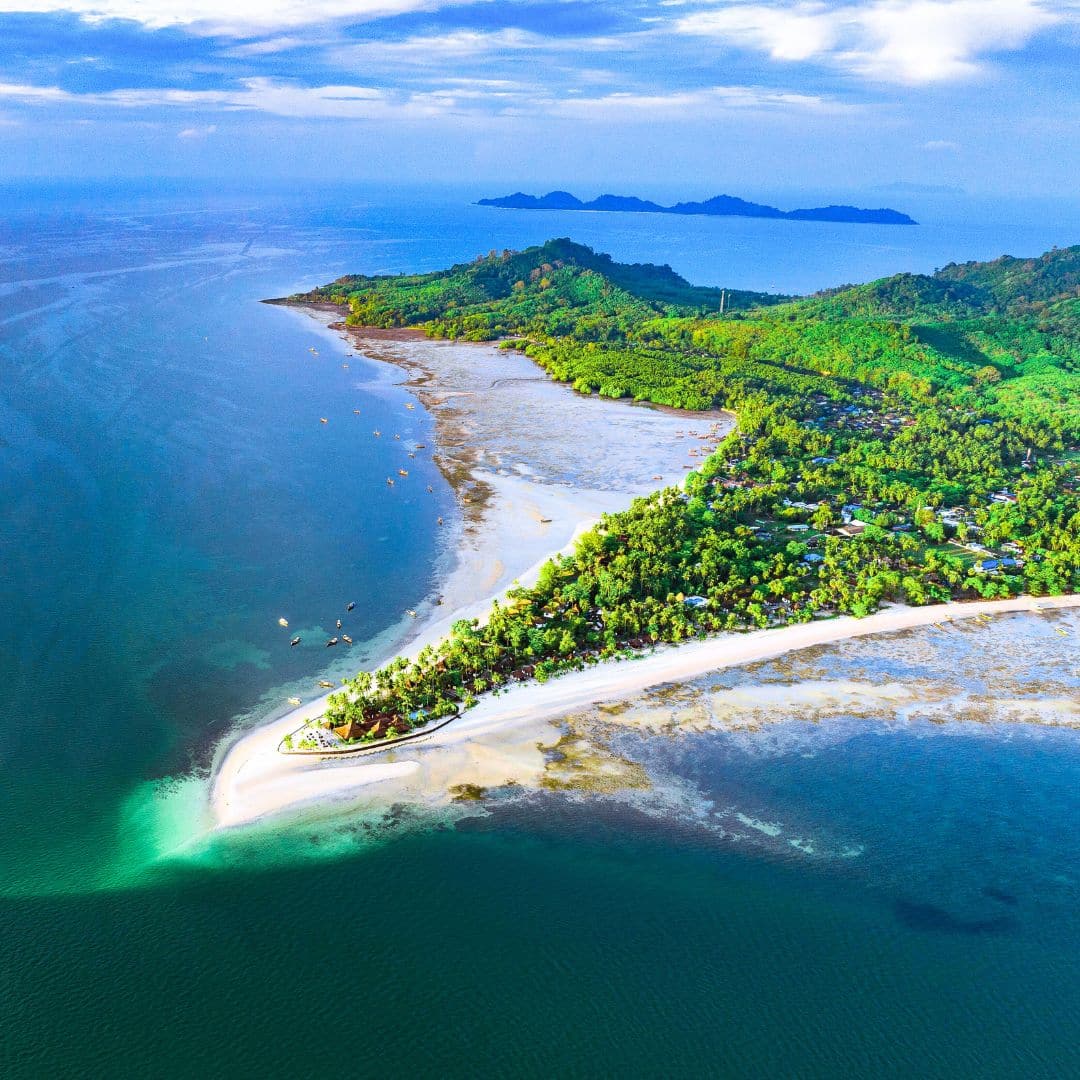
Koh Phi Phi, in contrast, is not a place to enjoy solitude. Instead, it is one of the most popular islands for tourists across all of Thailand! And with its lush forest hikes, white sand beaches, and brilliant blue waters perfect for snorkeling and diving, it’s pretty easy to see why.
This is a place where exploring nature’s beauty and relaxing on the beach are the activities to do. Culturally, it is very much so a tourism destination. The food here can be great, but expect more fare focused on the international palate and less Thai street food charm.
Personally, I think that this is a destination worth visiting for a 1-2 night stay while basing from someplace else, but for the right family it can be an unforgettable destination.
I personally wouldn't spend more than 2 or 3 nights on Phi Phi (or fewer than 1!), but shorter stays like this are perfect opportunities for leaning into luxury!
Phi Phi has numerous resort options available, but I like the Chongkhao Resort for its combination of great location and family rooms with enough space to spread out.

Koh Lanta
Koh Lanta was one of our very first stays in Thailand, and a great introduction to the country!
The highlights of the island, unsurprisingly, are the clear waters and white sands that make beach days incredible, but there’s also a cute old town area to explore, mangroves where you can kayak, and caves to spelunk.
If you’re planning on staying in Koh Lanta, I highly recommend staying in Khlong Dao, near the beach. Many of the best things to do are clustered around there, which saves time and money while exploring. On our trip to the island, we opted to stay at a less expensive stay on a rubber farm in the center of the island and ended up needing to travel to almost anything. It was still enjoyable, but we spent far more time in tuk-tuks than we would have liked.
One of the other big highlights, at least for us, was the presence of other worldschooling families on the island. Koh Lanta has a pretty active community of families who spend large chunks of time on the island, and we were able to plug in to some ongoing events for families while we were there!
With an active community of long term worldschooling families on the island, Koh Lanta makes a great spot to base out of for a while!
Of course, if you plan on spending a longer time in one place, I really suggest booking a stay that has:
- Enough space to get comfortable
- A kitchen for those nights when you want home cooked foods instead of always needing to go out.
These family stay villas from K Homevillas has both!
It's a bit far from Khlong Dao, though, so be prepared for frequent tuk-tuk rides when you want to get into town "proper".

Koh Yao Islands
The Koh Yao islands are two small islands on the Andaman coast that offer a quiet, slow alternative to the party beaches elsewhere in Thailand. This is not a destination that fills your days for you, but a place that offers a quiet spot for your family to explore.
The beaches here are great, without being technically “the best”, and it’s often possible to have an entire beach to yourselves. Birdwatchers will have the chance to spot an endemic species of hornbill, the Gag Bird, and nature lovers can hike to visit the largest tree in Thailand that’s over 30 meters (around 100 feet) in circumference!
These islands are a quiet getaway, not a place to stay long term, but for families looking for just that, it’s an excellent choice.
All over Thailand, my family found that many places only offered 2 person stays, which meant that, as a family of 4, we often found that we needed to book 2 smaller rooms instead of a single room for 4.
And, that holds true for many of the stays on Koh Yai.
For instance, we could get two bungalows at "Pyramid Bangalow" for less than many of the family rooms at other resorts in the island. They aren't the fanciest, but when the goal is to get out into nature and explore, they work just fine!

Khao Sok National Park
Khao Sok was my family’s first real foray into Thailand’s forests, and I remember it fondly for the variety of experiences we had there! It’s an absolutely massive stretch of protected forest a short trip inland from the Andaman coast and is worth visiting for families in search of jungle adventures.
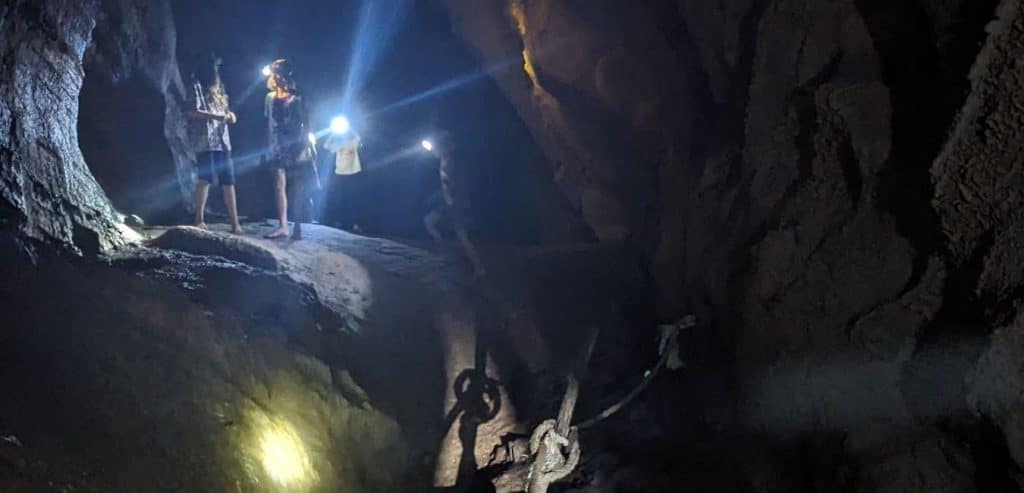
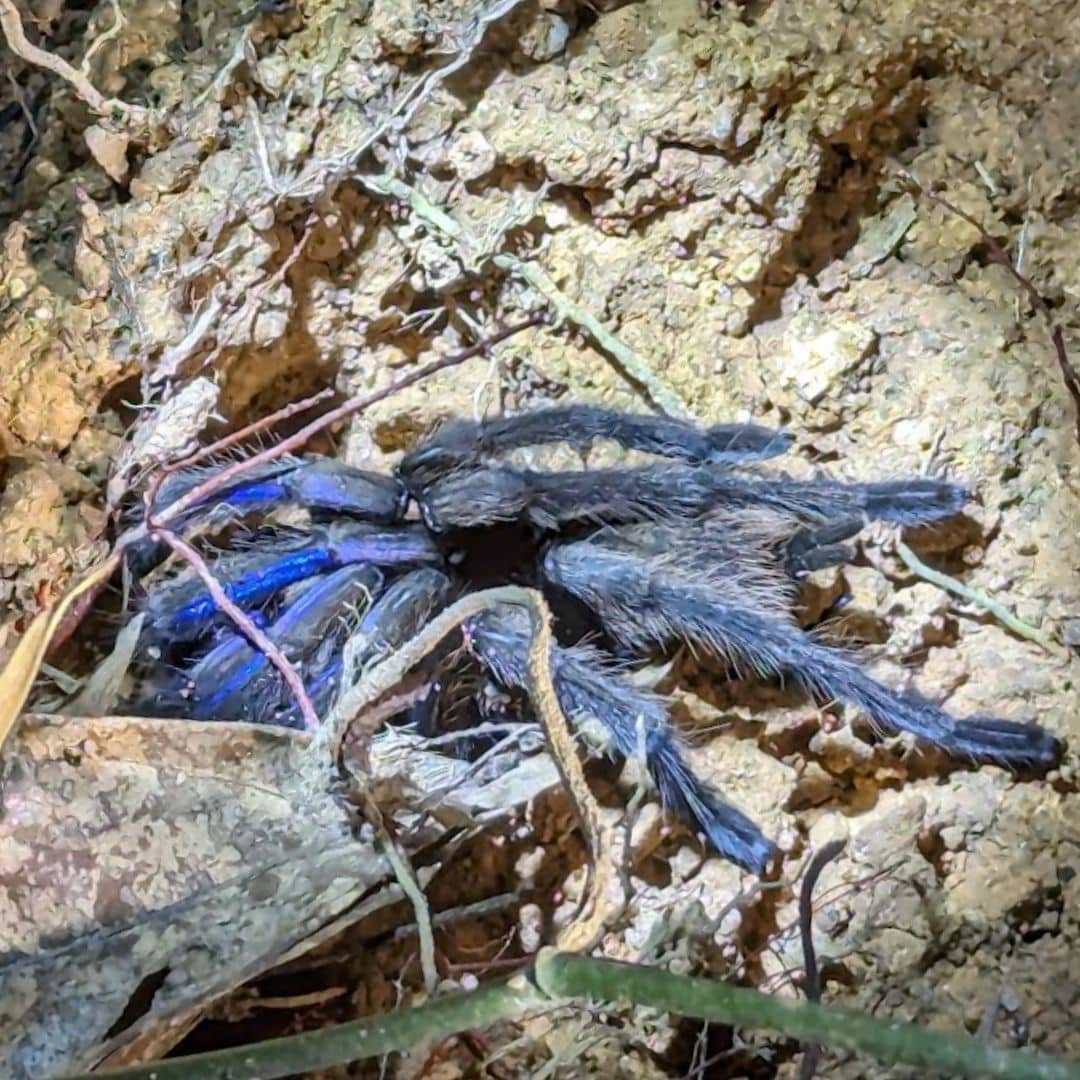
My trip highlights included our nature night hike, where we spotted lots of creepy crawlies, and a full-day trip to Cheow Lan Lake where we visited floating bungalows and explored a local cave. But hanging out in town was pretty cool, too! The whole vibe is very backpacker friendly, more than a luxury stay, but if that’s what you’re looking for, it’s great!

Of all the things my family did in Khao Sok, the night safari was the absolute highlight!
If you (or your kids) are a fan of creepy, crawly, cool animals, a guided night hike in the park is the absolute best way to spot them!
Best Places to Families to Visit in East Thailand (Isan)
While Thailand as a whole is definitely a popular destination for tourism, the vast majority of that tourism is focused in the western parts of the country. After all, those areas are the spots where the tourism infrastructure has been built up. Hotels are plentiful, roads are smooth, and so much of what’s available is catered to the preferences of the never-ending stream of foreigners looking to see all that Thailand has to offer.

However, East Thailand often gets overlooked by those travelers, which has made it into one of the best regions in the country for exploring what Thailand looks like off the beaten path. It’s a much less frequented area that nonetheless has plenty to see and do!
The best time to visit East Thailand tends to be November through March, when temperatures are comfortable and rain is limited. April through October brings higher humidity and more frequent rain, though travel remains manageable if you stay flexible.
Udon Thani
Udon Thani is located in the northern part of East Thailand in the region called Isan, which is known for its especially spicy foods and a unique bamboo rocket festival that happens across the north of the country. (And in Laos.) It’s not a spot that casual travelers tend to make it to, but despite that fact, it’s definitely worth a visit!
One of the top Udon Thani highlights is the Red Lotus Sea, which is an annual blooming of pink water lilies on Nong Han Kumphawapi lake outside of Udon Thani proper. The millions of flower blooms floating on the surface of the lake is stunning, and there is definitely an uptick in tourism when the flowers are blooming. For the best chance at seeing them, visit from mid-December to February.
Flowers aren’t your thing? Then perhaps you’d prefer the Bronze Age Ban Chiang archeological site, which is one of Thailand’s UNESCO Cultural Heritage Sites! It’s best known for it’s examples of prehistoric pottery with vibrant red patterns, which you can see examples of both on site and at the nearby museum explaining the area’s history. However, UNESCO marks it as being important due to its place as showing the earliest evidence of wet-rice cultivation in all of Southeast Asia! (Though, China showed evidence of rice domestication literally thousands of years earlier.)
Beyond the highlights, Udon Thani is a medium-sized Thai city with the typical assortment of markets, malls, temples and parks. It makes a great place to get a better slice-of-life picture of Thailand!
After looking over all the options for amazing stays in Udon Thani, these are the two that I personally would look into booking for my family.
First up is the Maderbua Hotel, which at first glance doesn't look like anything special. But with a prime location right on the edge of the Red Lotus Lake, it's perfect for families looking to experience this annual phenomenon!
But, if you'd prefer somewhere a bit fancier, I'd recommend Nakara Villas and Glamping located to the north of town. They're glamping tents and suites are both super fancy, and not too far from everything Udon Thani has to offer!

Phu Wiang National Park
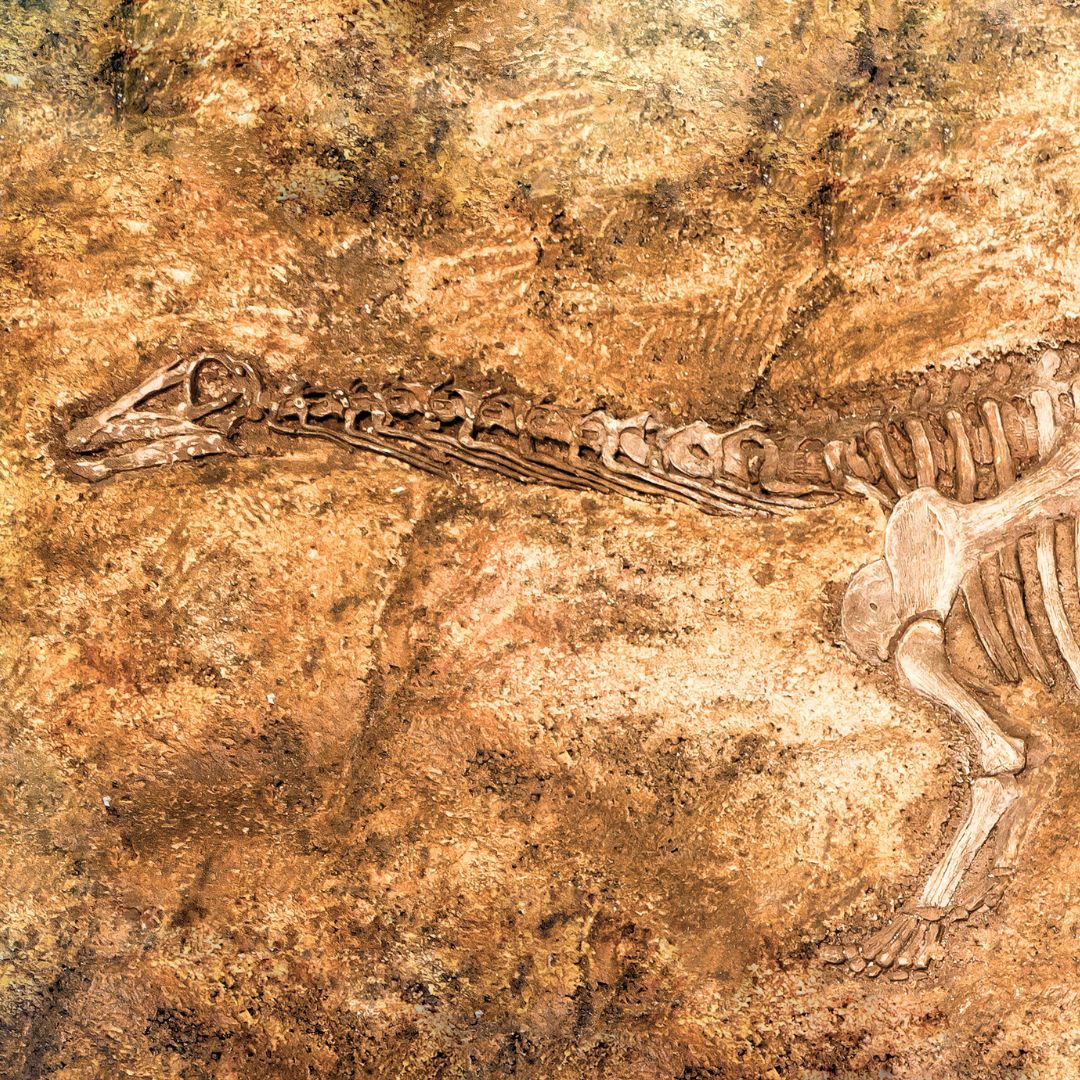
Just 2-3 hours from Udon Thani is another popular dig site in Phu Wiang National Park. But this one goes back even further back in time all the way to the time of the dinosaurs!
Phu Wiang National Park is home to the largest-known collection of dinosaur fossils in Thailand, including the remains of several unique species discovered there. Specifically, Phu Wiang’s fossils date back to the Early Cretaceous time period, 130 million years ago.
Ongoing excavations continue to turn up new discoveries, making this an important paleontological site for understanding the region’s dinosaur diversity and making it a great stop-off for any family interested in dinosaurs!
This is a great choice for families looking to do some semi-rustic camping during their time in Thailand!
They have space for tents surrounded by a small lake, or, if you prefer, there are also rooms to choose from. However, the rooms are 2-person occupancy, so you may need to book more than 1 room to fit your family.
Pa Hin Ngam National Park
If I’m being honest, Pa Hin Ngam is just one of several great spots in the Chaiyaphum region worth checking out if you’re family has a lot of nature lovers, but it’s the one there that caught my imagination.
Pa Hin Ngam is home to a large number of unusual limestone formations that have eroded into a huge variety of shapes over the years. Some look like mushrooms. Some like animals. Some like ancient weathered castles. But all of them are natural formations caused by weathering.
Plus, if you visit during the rainy season, you’ll be greeted by hundreds (thousands?) of pink Siam Tulips growing along wooden walkways! These aren’t the tulips grown elsewhere, but a tropical plant native to the region that’s closer related to turmeric.
Less frequented spots like Pa Hin Ngam can often end up becoming incredible experiences that you'll remember forever! But because they're not visited as frequently, often it can be harder to find places to stay when you go.
While I can't say that I looked at every option available near Pa Hin Ngam, I can definitely say that this is one of the best in the area.

Phanom Rung Historical Park
While the Khmer Empire is more often associated with Cambodia and the ruins of Angkor Wat in Siem Reap, their empire reached much further abroad at its height. Most of modern-day Thailand was once part of the Khmer Empire, and Phanom Rung Historical Park is one of the best-preserved examples of Khmer architecture in the entire country.
The ruins found here are some of the earlier examples of Khmer architecture, dating back to the era when the Khmer people were largely Hindu, rather than Buddhist, and Phanom Rung was dedicated to the Hindu god Shiva.
Much of the historical park is restored, rather than original, but it remains an incredible example of the temples of that era.
Despite being one of the most impressive sets of Khmer-era ruins in Thailand, there's not a ton of different options for tours in Phanum Rung available online. Instead, if you want a tour, you should find a local provider to take you, usually by talking with the front desk at your hotel.
Or, you could use this handy guide from Expedia to see things on your own! It's not the most detailed, but it does provide a bit of structure for your trip so you can be sure to see the best bits.

Ubon Ratchathani
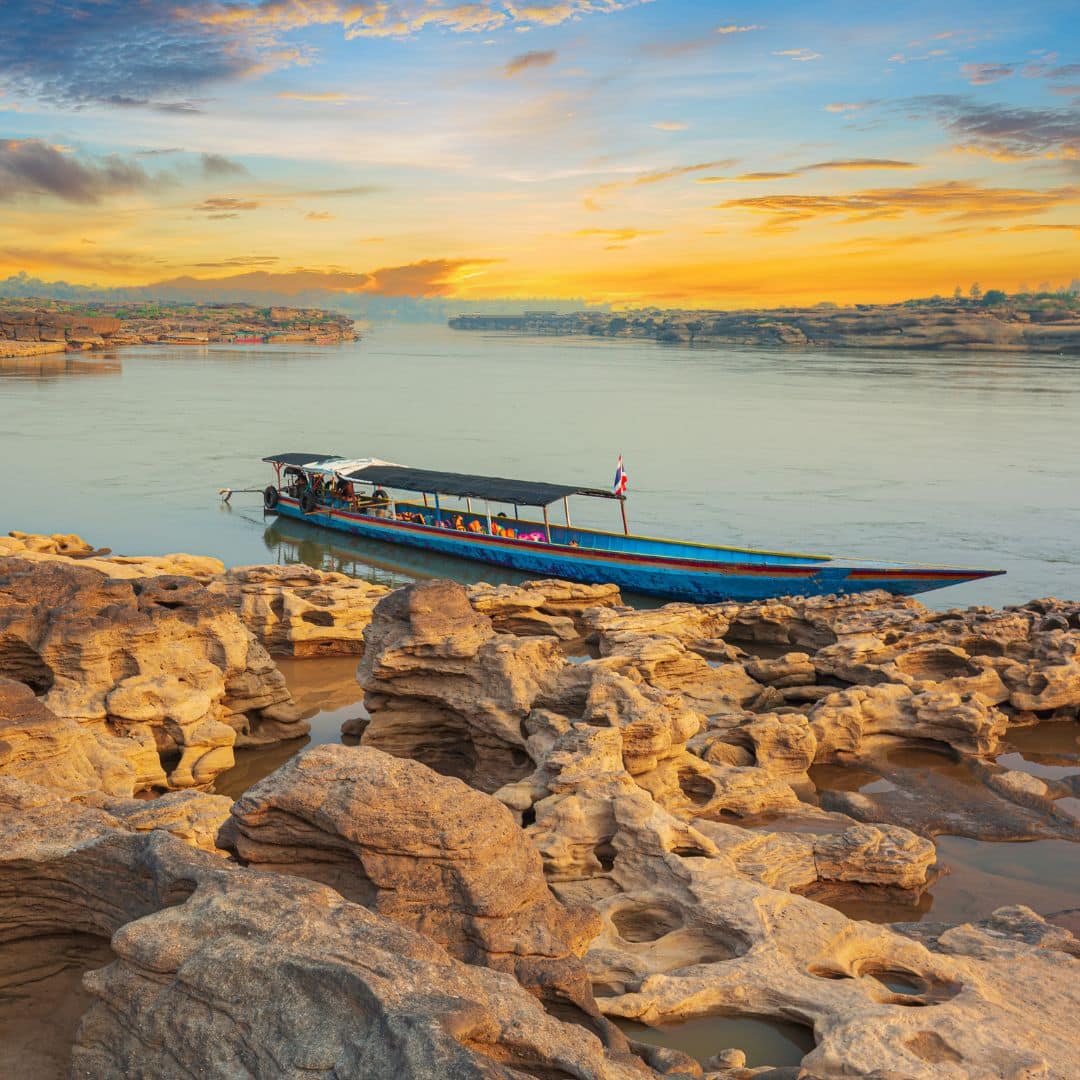
Ubon Ratchathani is one of the 4 largest cities in Isan (along with Udon Thani, Khorat, and Khon Kaen). As such, there are plenty of great spots to explore within the city itself, including several spectacular temples, tasty food, and local markets. But the highlight of the area has to be what is sometimes called the Grand Canyon of Thailand, Sam Phan Bok.
Sam Phan Bok literally means 3000 holes and is basically a huge stretch of sandstone that is pitted with thousands of potholes carved by the flowing of the Mekong. During the drier parts of the year, typically from December to May, the level of the Mekong falls enough to expose these holes and creating a unique sandstone landscape!
Just be aware: If you come outside of the dry season, all you’ll see is the Mekong river flowing between its banks. It’s a powerful sight in its own right, but not the reason most visitors come.
Velawarin Hotel combines several key features that I look for in hotels when traveling with my family. Namely, a good price, a good vibe, and a good location.
It's located near the transportation hubs in town, has clean, cozy rooms, and offers easy access to surrounding amenities and market streets. Perfect for a nice stay in Ubon!
Some Final Thoughts on Visiting Thailand with Kids
Thailand works well for families not because it’s perfect, but because it’s flexible. There are places here that support slow days and routines, and others that reward short, focused bursts of exploration. Some destinations are easy almost year-round. Others only shine if you get the timing right. Knowing the difference is what turns a good idea into a good trip.
The goal isn’t to see everything or to build the most efficient route across the country. It’s to choose a handful of places that fit the season you’re traveling, your kids’ ages and stamina, and the kind of days your family actually wants.
If there’s a single takeaway, it’s this: Thailand gives families options. The more honestly you choose between them, the easier, and more enjoyable, the experience tends to be.
Happy travels.